
22 de August de 2025
Weaving Living Heritage: Rari Artisans Bring the Butterfly Garden to Life at Concha y Toro’s Centro del Vino

Autor: Concha y Toro
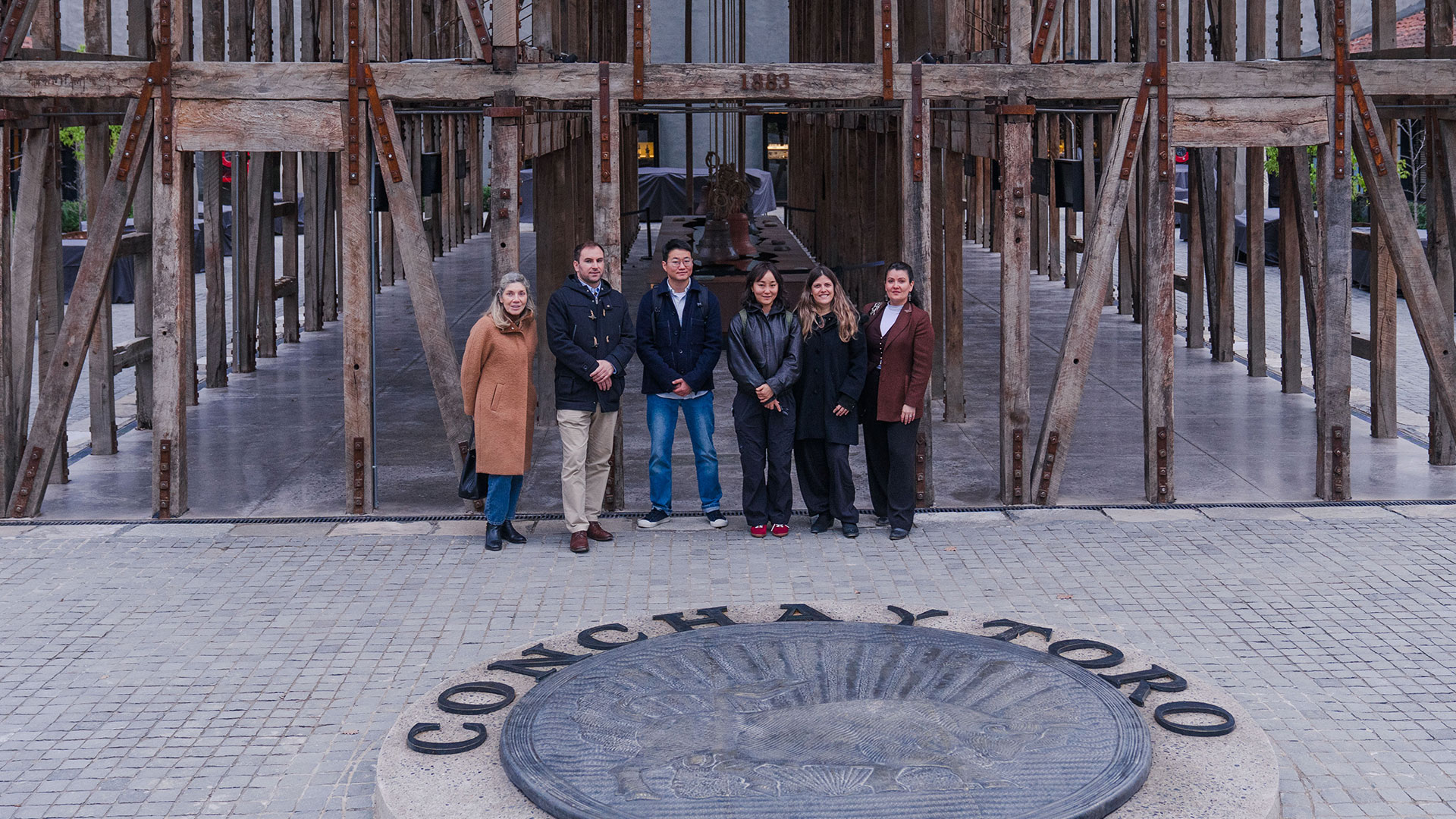
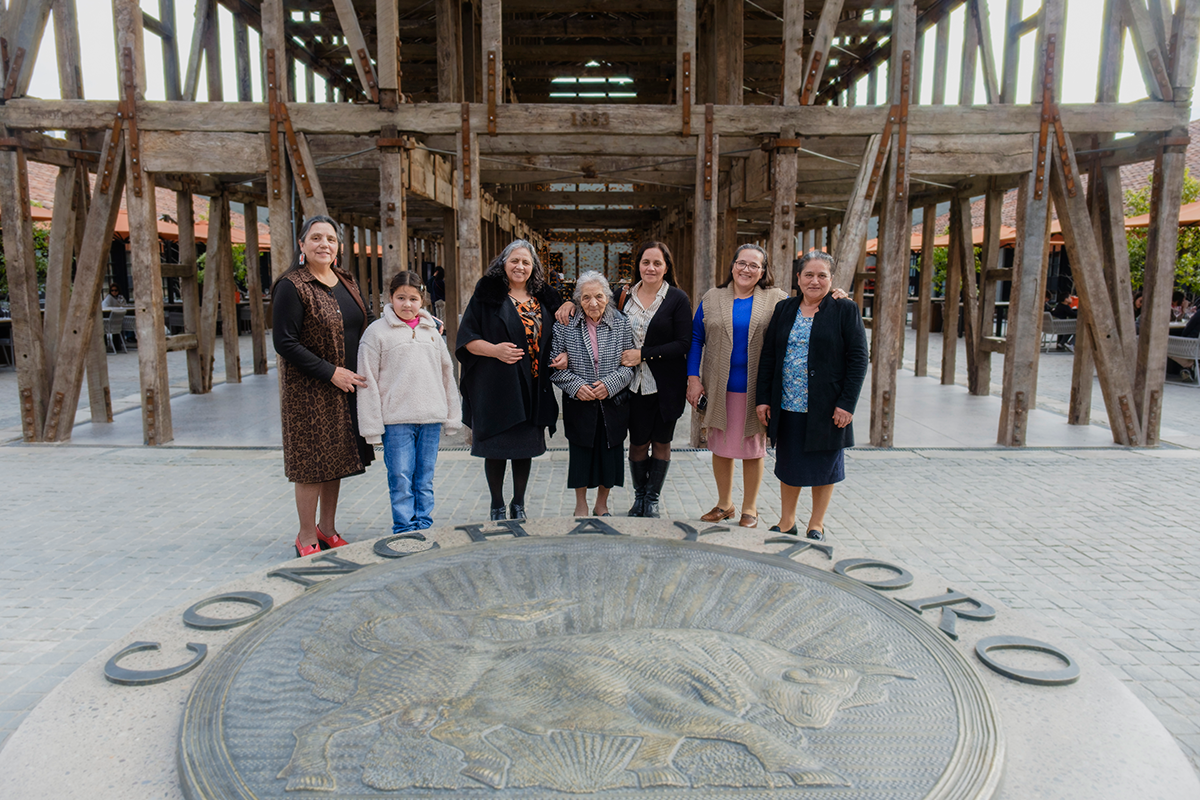
In the heart of Pirque, the Concha y Toro Plaza at the Centro del Vino has become a meeting point where art, history, and nature converge. In this setting, the iconic Bodega Concha y Toro -a mid-19th-century storage barn built from native woods and relocated from southern Chile piece by piece- stands as a symbol of contemplation and preservation of the country’s cultural richness.
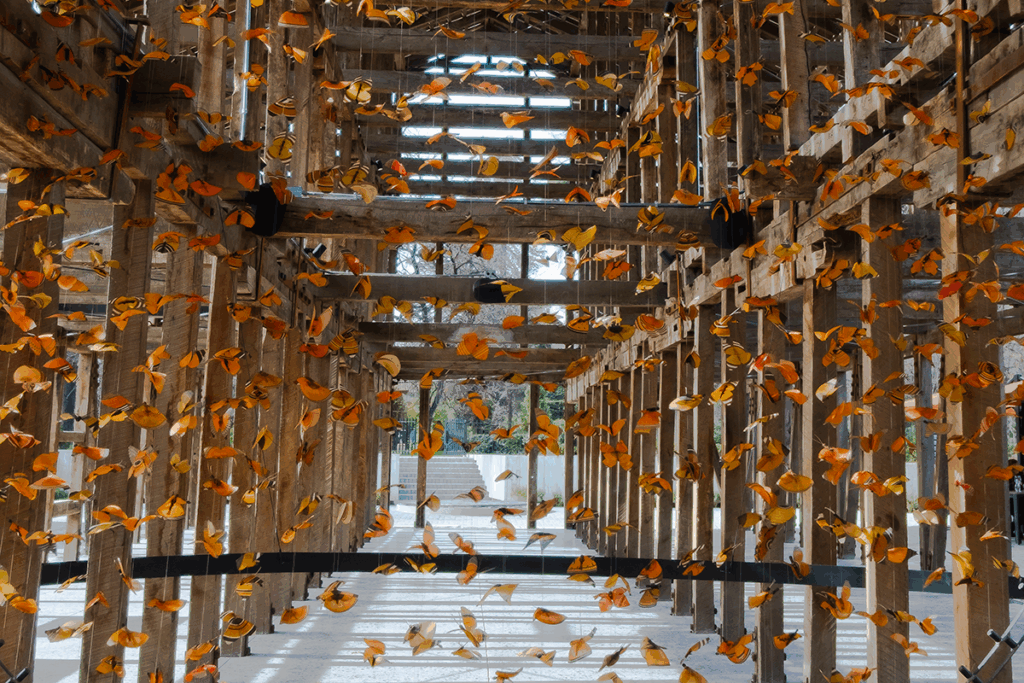
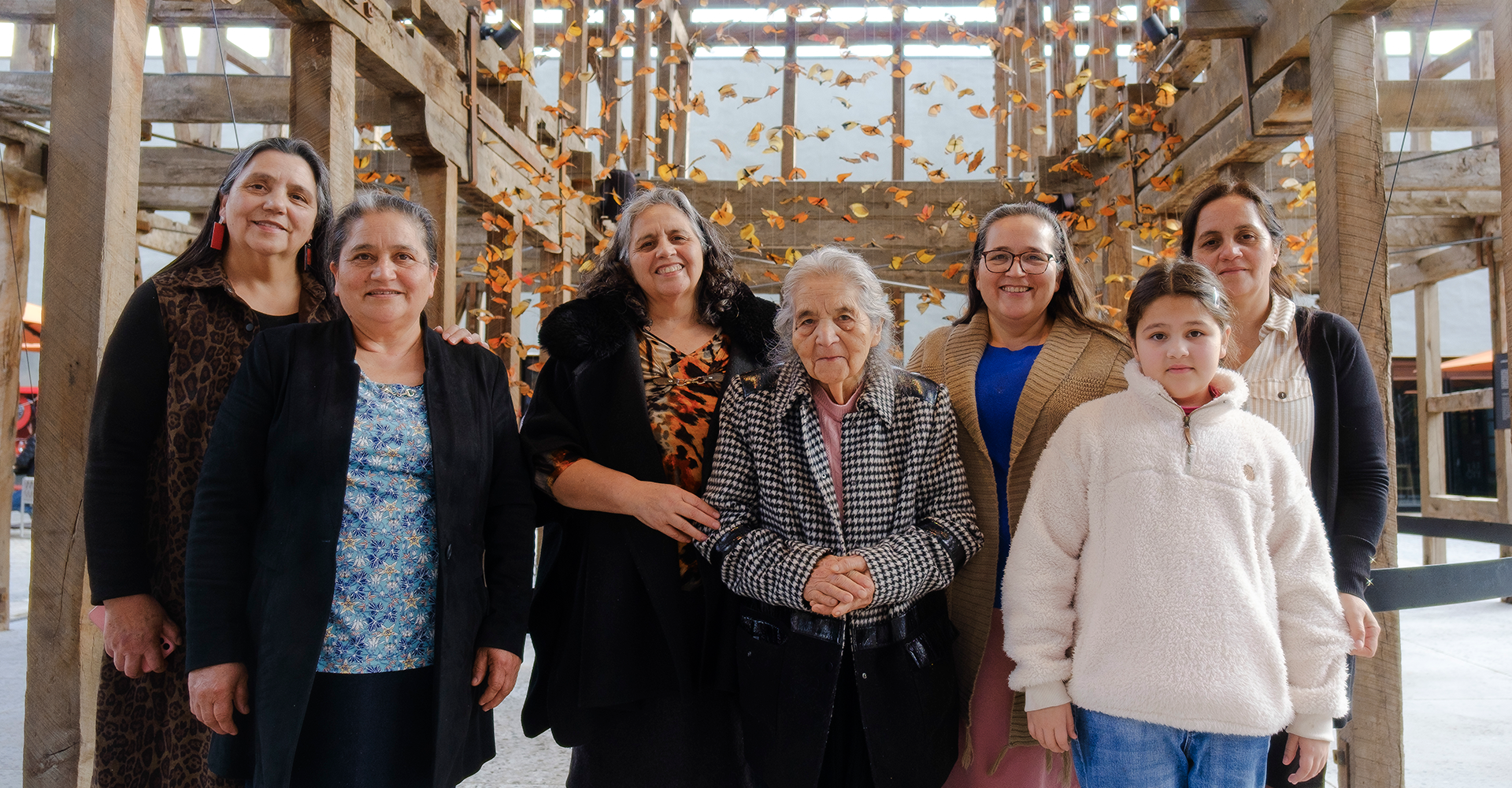
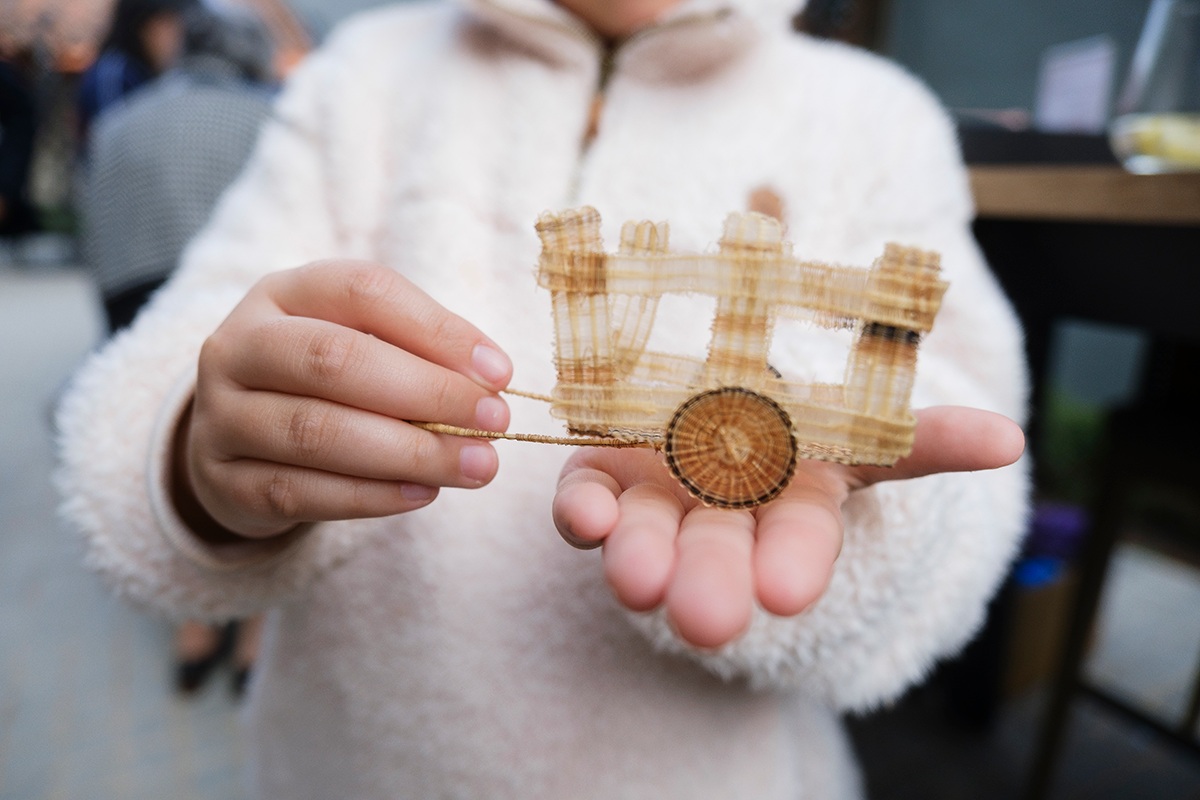
As part of its mission to showcase Chile’s cultural heritage, the Centro del Vino Concha y Toro inaugurates its exhibition cycle with a moving installation: a butterfly garden woven from crin –horsehair– by 16 women artisans from Rari, in the Maule region. The installation, consisting of a four-meter-wide disc holding over 1,300 handwoven butterflies, evokes the migratory flight of the Vanessa carye species, commonly known as the “Afternoon Butterfly.”
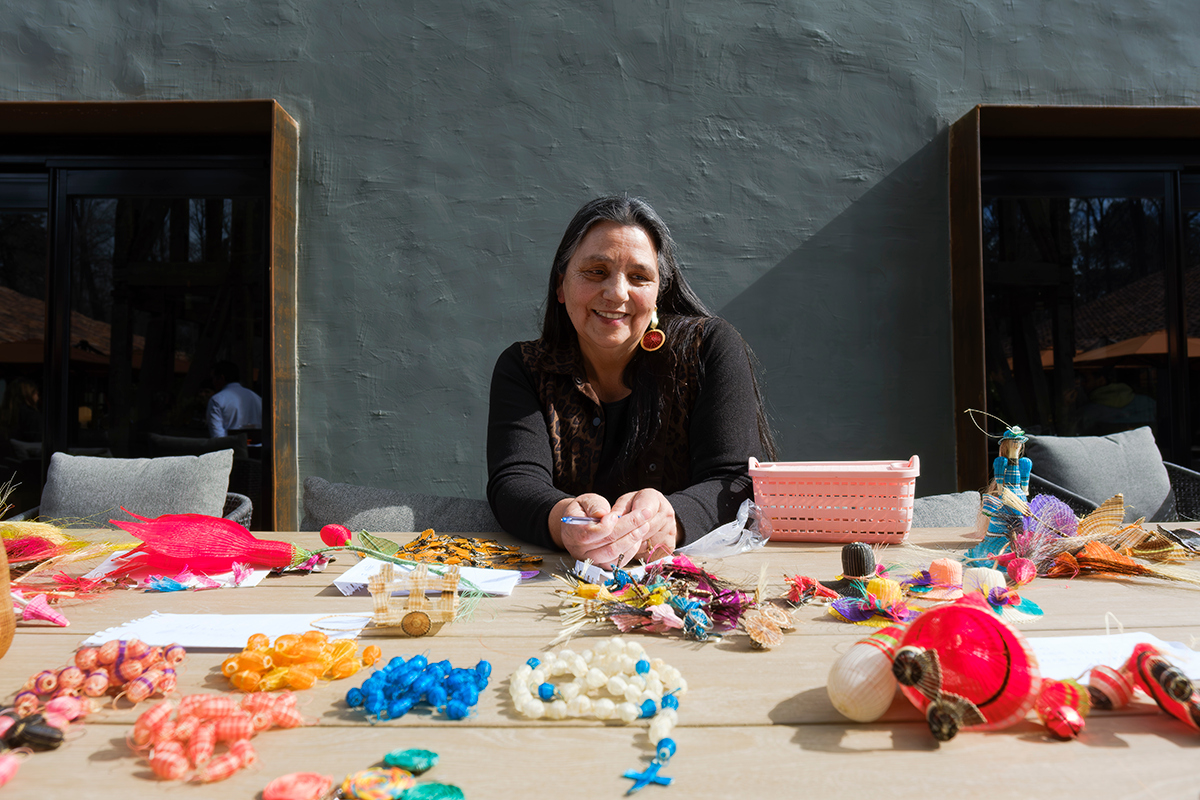
Hosted within the iconic space of the Bodega Concha y Toro, the work not only enhances the environment but also pays tribute to a one-of-a-kind craft passed down through generations by the women of Rari. Recognized as a “Living Human Treasure” by UNESCO in 2010 and honored by the World Crafts Council when Rari was declared a “World Craft City” in 2015, these artisans keep alive an ancestral knowledge now at risk of disappearing. The installation aims to highlight this tradition, connecting it to the natural environment and the sensory experience offered at the new Centro del Vino Concha y Toro.
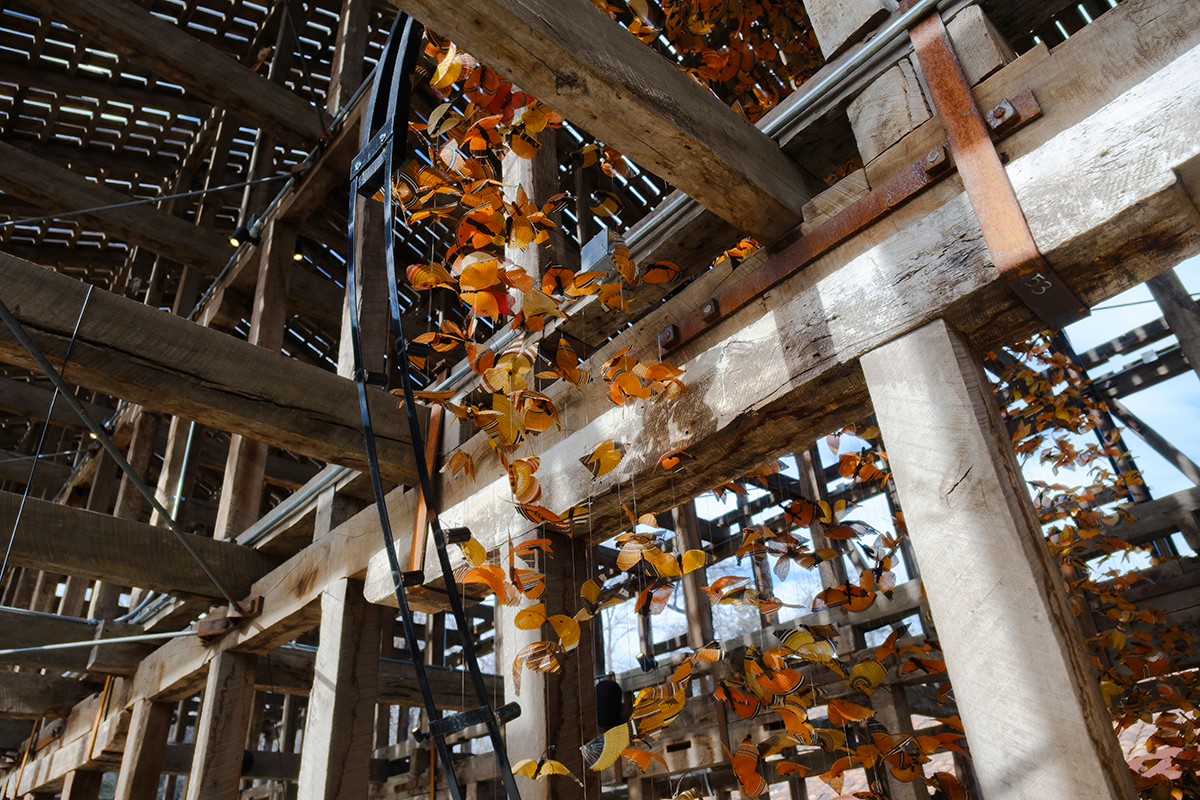
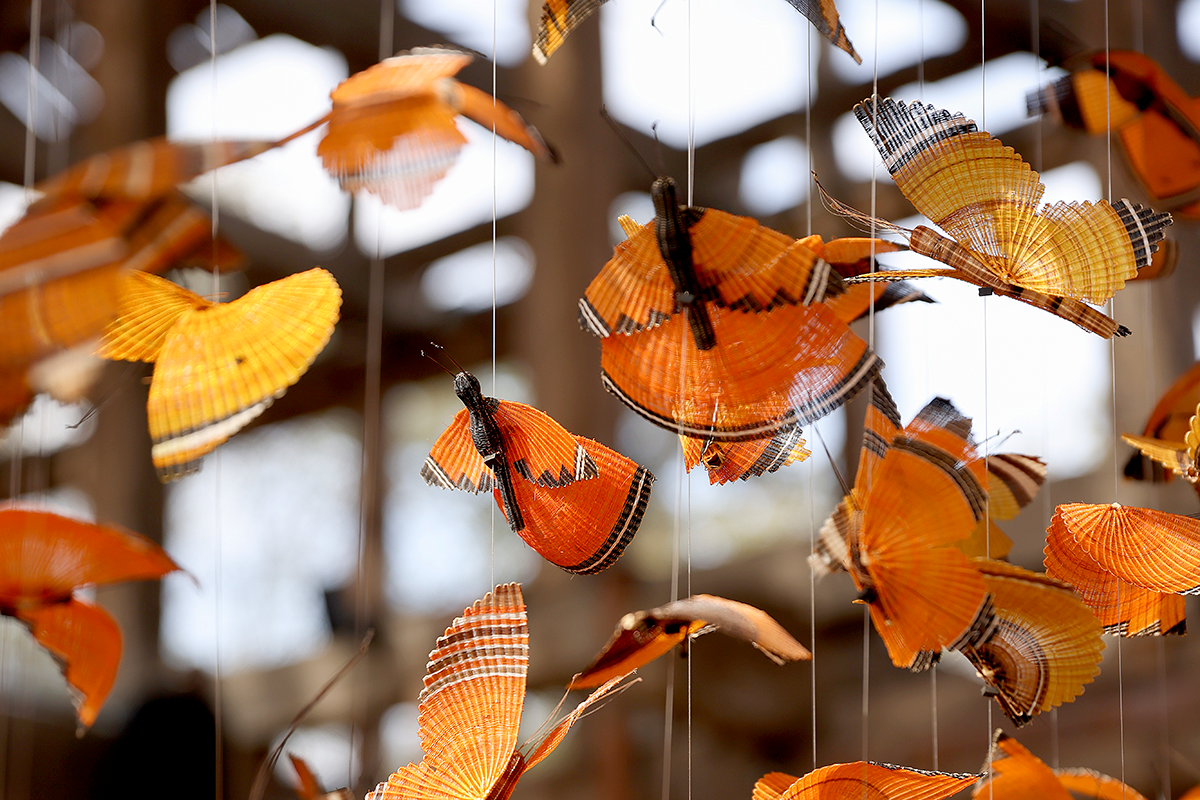
“Horsehair weaving and the wooden structure of the winery are in profound dialogue. Both are natural materials -fragile yet strong at the same time,” says visual artist Josefina Guilisasti, who collaborates with artisans from different regions of Chile. “This project is a tribute to the skilled hands of Rari’s artisans and to the sublime flight of the butterflies that inhabit the Maipo Valley,” she adds.
“This installation is a true tribute to horsehair craftsmanship. Thanks to this exhibition, our work has gained greater visibility among the hundreds of tourists who visit the winery daily. At the same time, the project has had a positive impact on the economy of our families and has been a major motivation to continue refining and innovating in this tradition. Our hope is that horsehair craftsmanship will be preserved and passed on to future generations, which requires constant effort in transmission and care,” says Ruth Méndez Díaz, one of the participating artisans.

The installation is complemented by a soundscape recreating the flutter of thousands of butterflies and two screens showing the horsehair weaving technique, allowing visitors to understand and appreciate the artisanal process behind each piece.
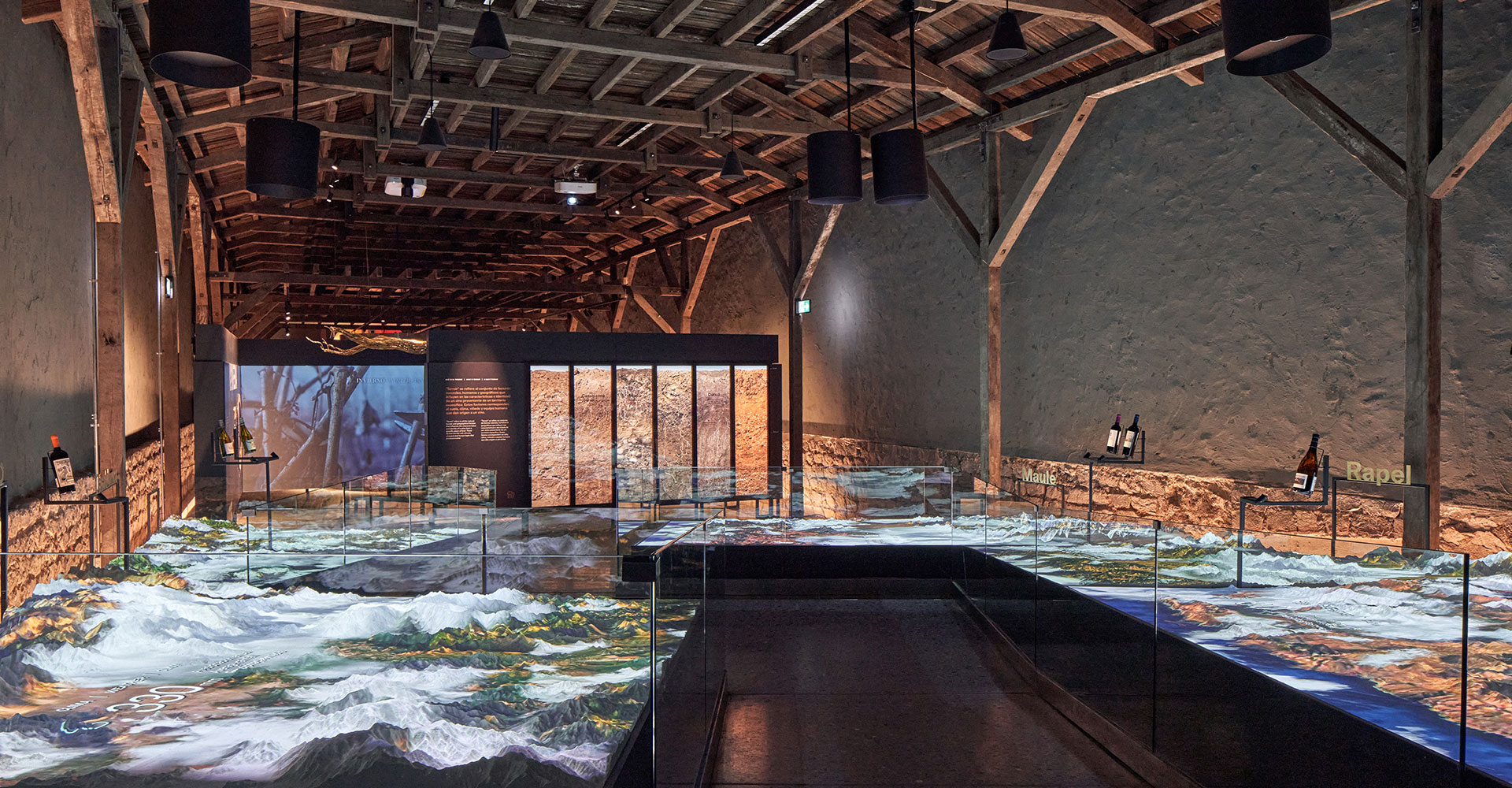
Bodega Concha y Toro -locally known as ‘el galpón’- is itself a heritage piece: built from native woods such as oak, pellín, laurel, and olivillo, it dates back to the mid-19th century under the influence of German settlers who arrived in Chile. Transported from a farm in Río Bueno, in the Ranco Province, it had to be dismantled at its place of origin and then reconstructed in Pirque, piece by piece.
In this way, the building becomes a true space of cultural preservation: a silent witness to a deep-rooted Chile -of which Concha y Toro has been an essential part- and at the same time, a living stage that welcomes and showcases artistic expressions representative of the country.
“One of the main goals of Concha y Toro Winery is to become a welcoming space for local and artisanal art, which is the essential language of a country. This ensures direct benefits for entire communities while safeguarding Chile’s cultural heritage,” explains Josefina Guilisasti.
“This winery needed an element that could enhance its cultural value. The horsehair installation completes a very important circle, making this space truly surprising and unique,” adds Pablo Cordua, director of Amercanda and responsible, together with Sebastián Moro, for the sensory and museographic experience behind the new Centro del Vino.
The winery also features a plaque with the names of the 15 artisans and carpenters involved in its reconstruction, as well as a 2.5-meter wrought-iron crest created by renowned craftsman Luis Montes, celebrating elements of the winery’s founder, Melchor Concha y Toro.
With this project, the Centro del Vino reaffirms Viña Concha y Toro’s commitment to Chilean cultural heritage by opening its doors to artistic expressions that resonate with the soul of the country. At Concha y Toro Plaza, wine and gastronomy intertwine with art and memory, offering an experience that honors the past while projecting into the future.