
10 de February de 2026
Amelia begins its 2026 harvest in the Limarí Valley

Autor: Concha y Toro
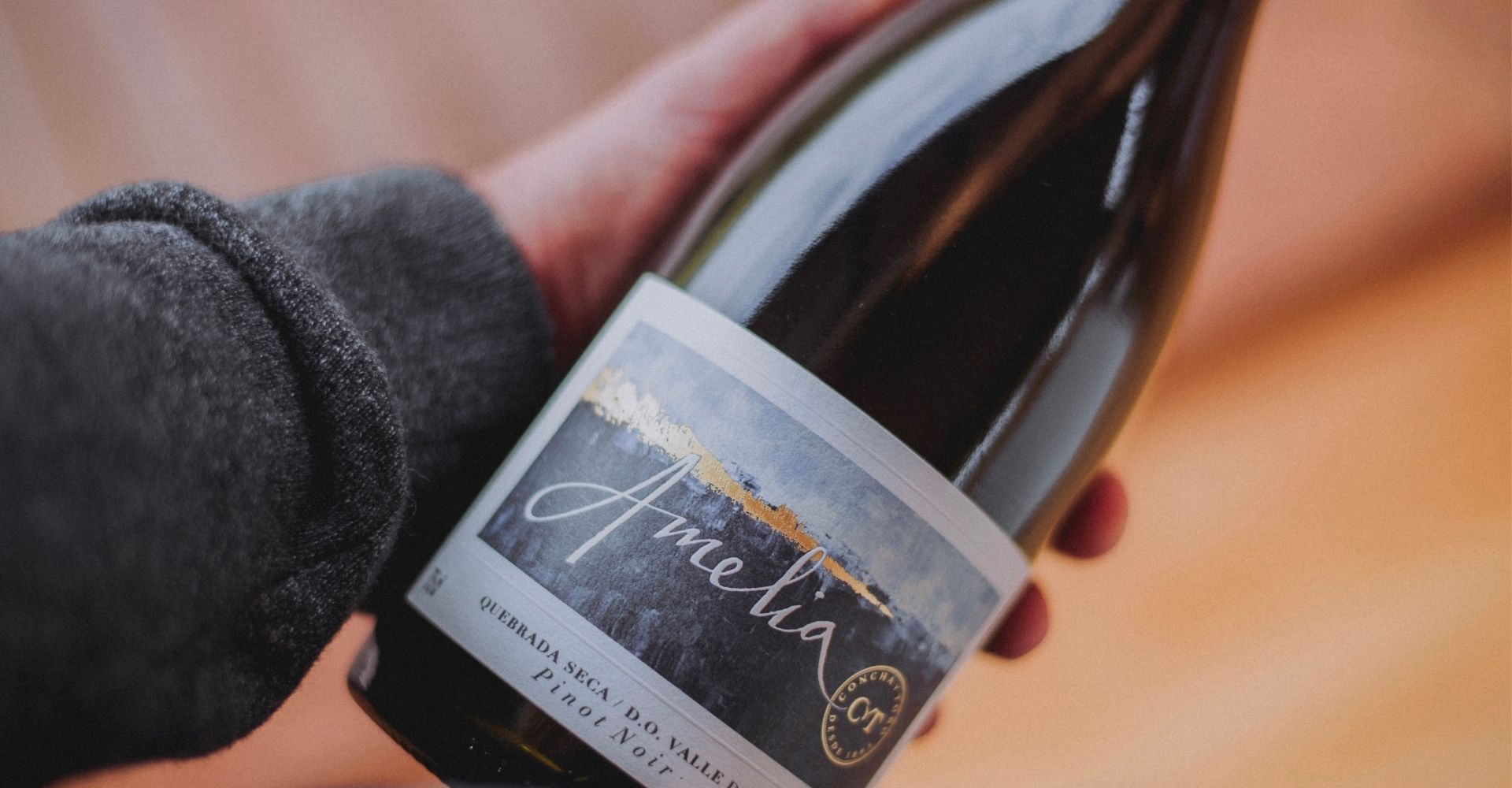
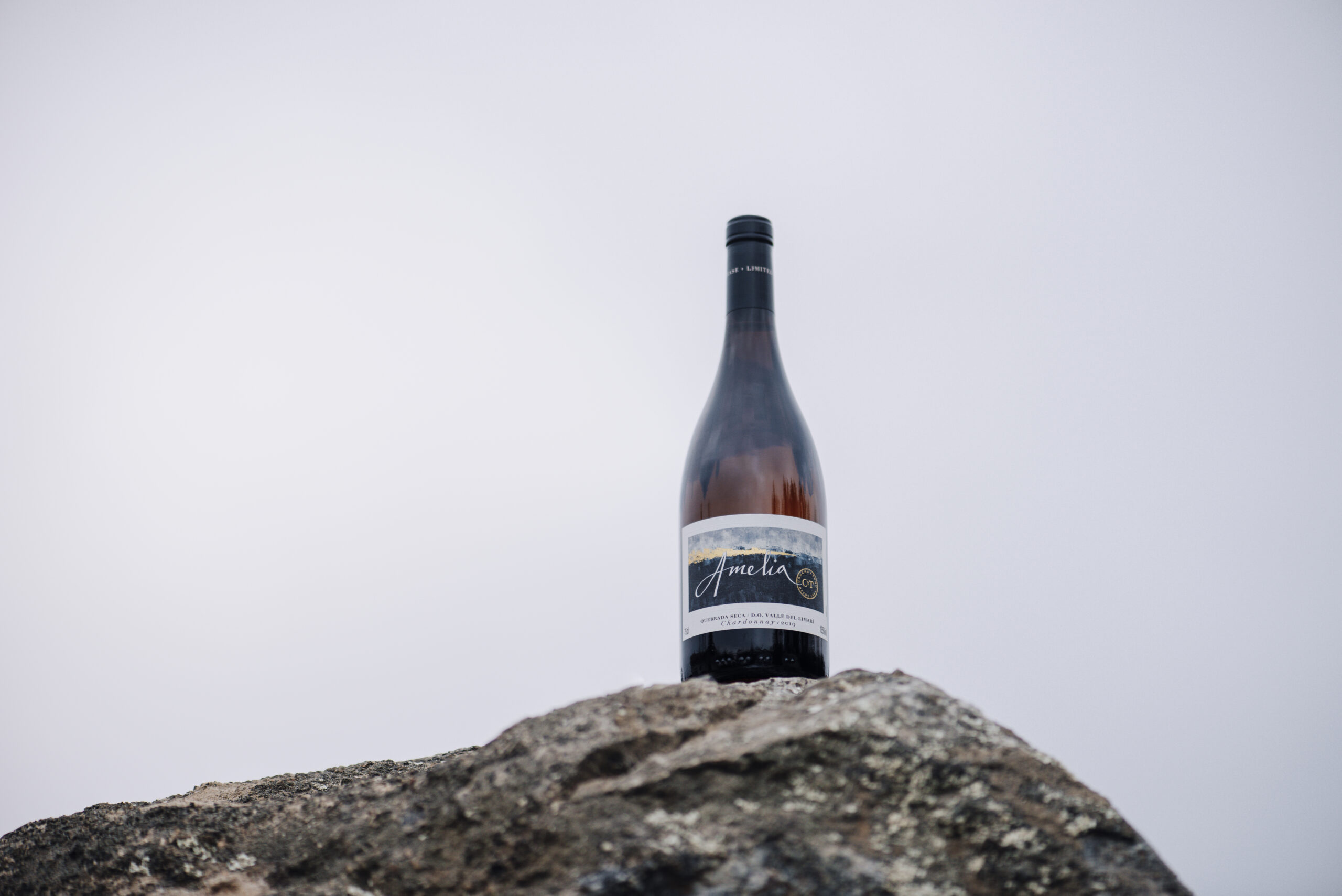
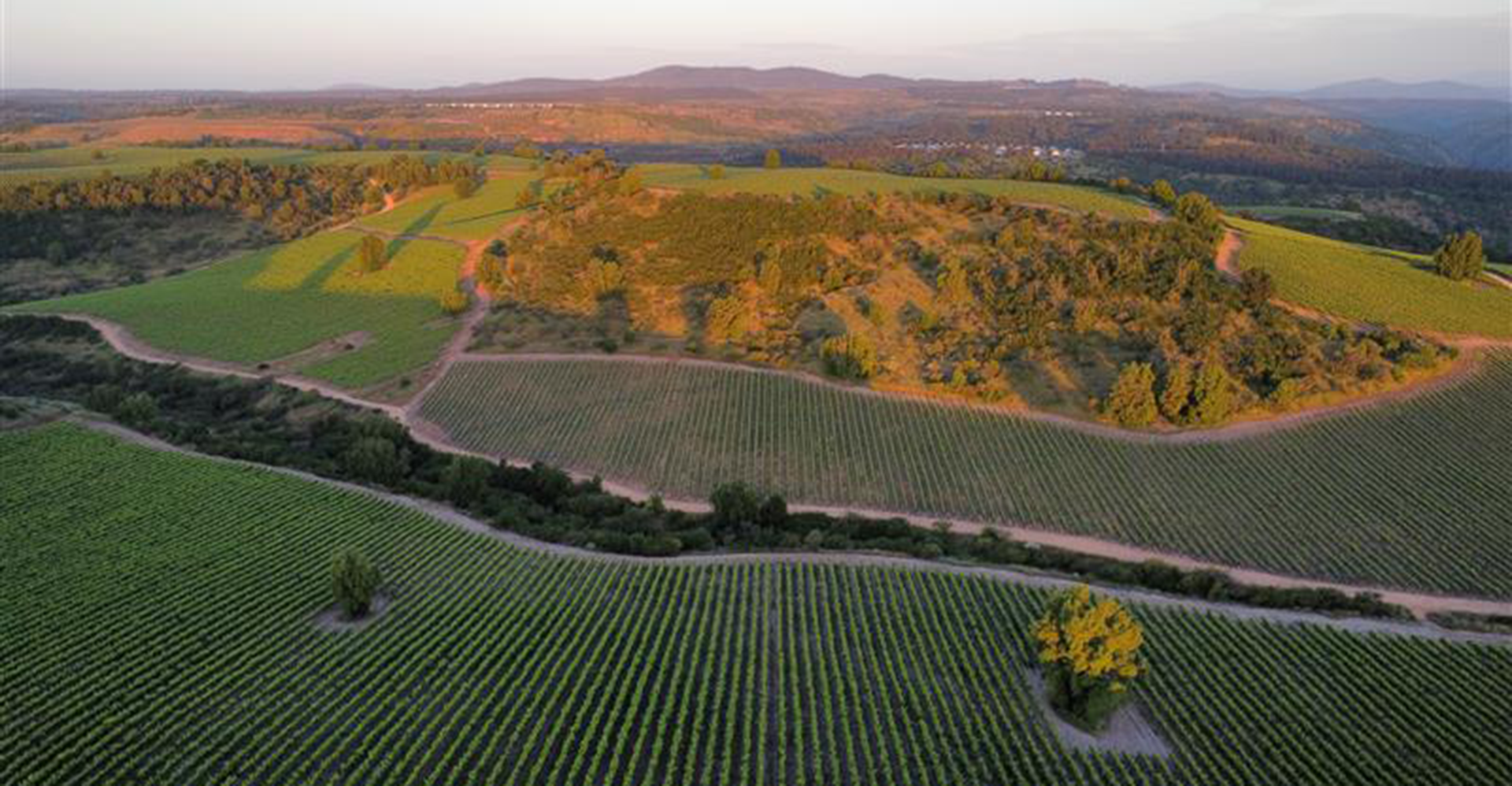
On February 9, Concha y Toro’s agricultural team officially kicked off the 2026 harvest at the Quebrada Seca vineyard, the origin of our ultra-premium labels Amelia Chardonnay and Pinot Noir. The season is progressing with balance and high expectations for quality.
The Limarí Valley begins this harvest under very favorable conditions, projecting an outstanding vintage characterized by balance, healthy vineyards, and slow, steady fruit ripening. Everything points to a season aligned with the best recent harvests in the valley, taking the outstanding 2025 vintage as a benchmark.
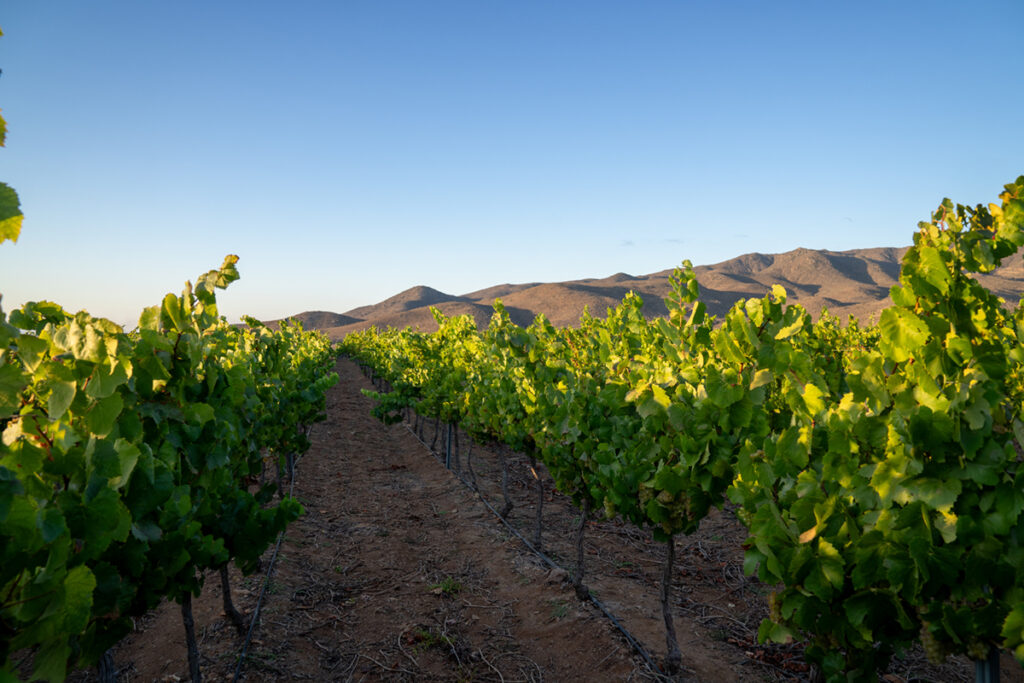
A winter that laid the foundations
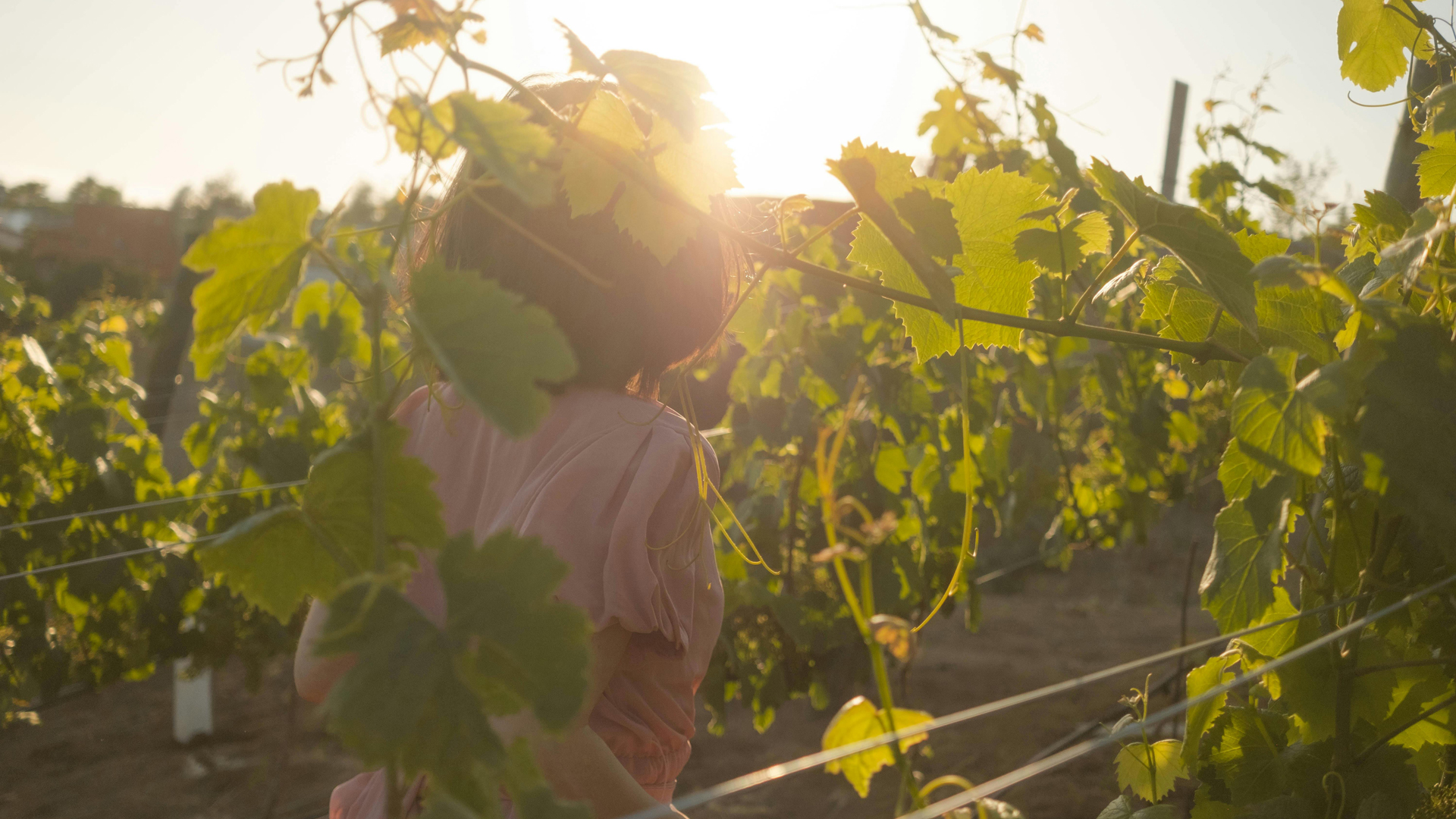
Winter rainfall, similar to the previous year, left soils in optimal condition: well aerated, with salts leached and high biological activity. This allowed spring to begin with healthy, well-balanced vineyards—key to solid vegetative development.
Water availability has been adequate, allowing for precise and consistent irrigation management without excesses, unlike more challenging years such as 2024, when water scarcity required more restrictive strategies.
Pacific Ocean influence on development
From winter through the pre-flowering period, the cycle showed a slight phenological advance. However, as the season progressed, this advance moderated, reaching flowering dates very similar to last year’s.
January— a key month in defining final quality— featured cloudy mornings and sunny afternoons, conditions typical of Quebrada Seca. This pattern enabled calm and uniform fruit ripening, avoiding heat stress or over-ripeness. The harvest calendar is just two to three days earlier than in 2025, a minimal difference that reinforces our commitment to the 100 days between flowering and harvest.
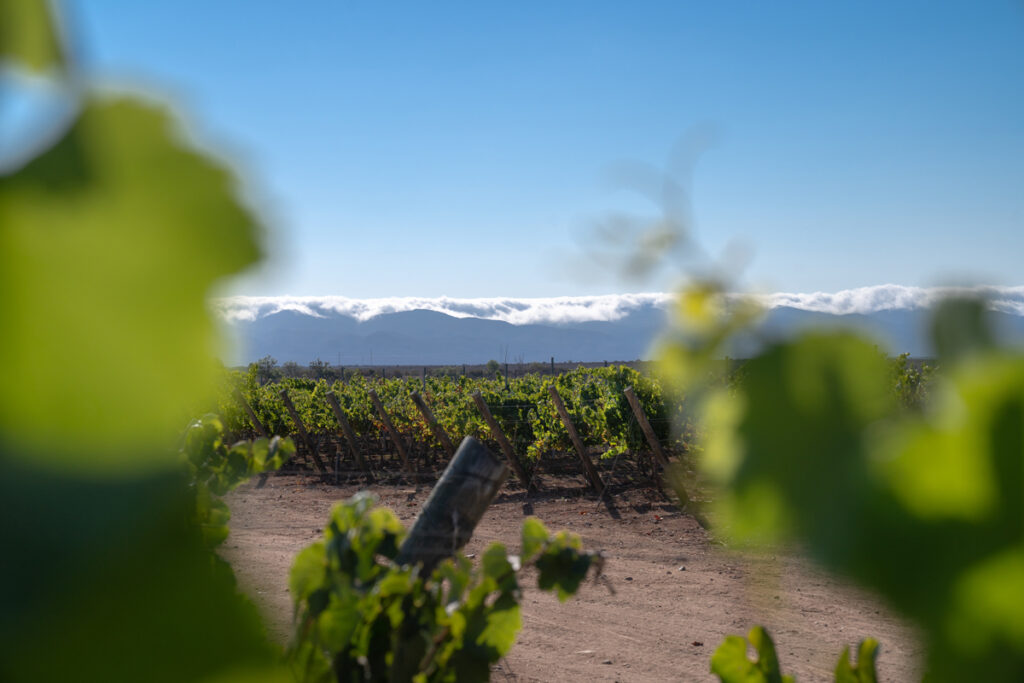
100 Days: In search of freshness and minerality
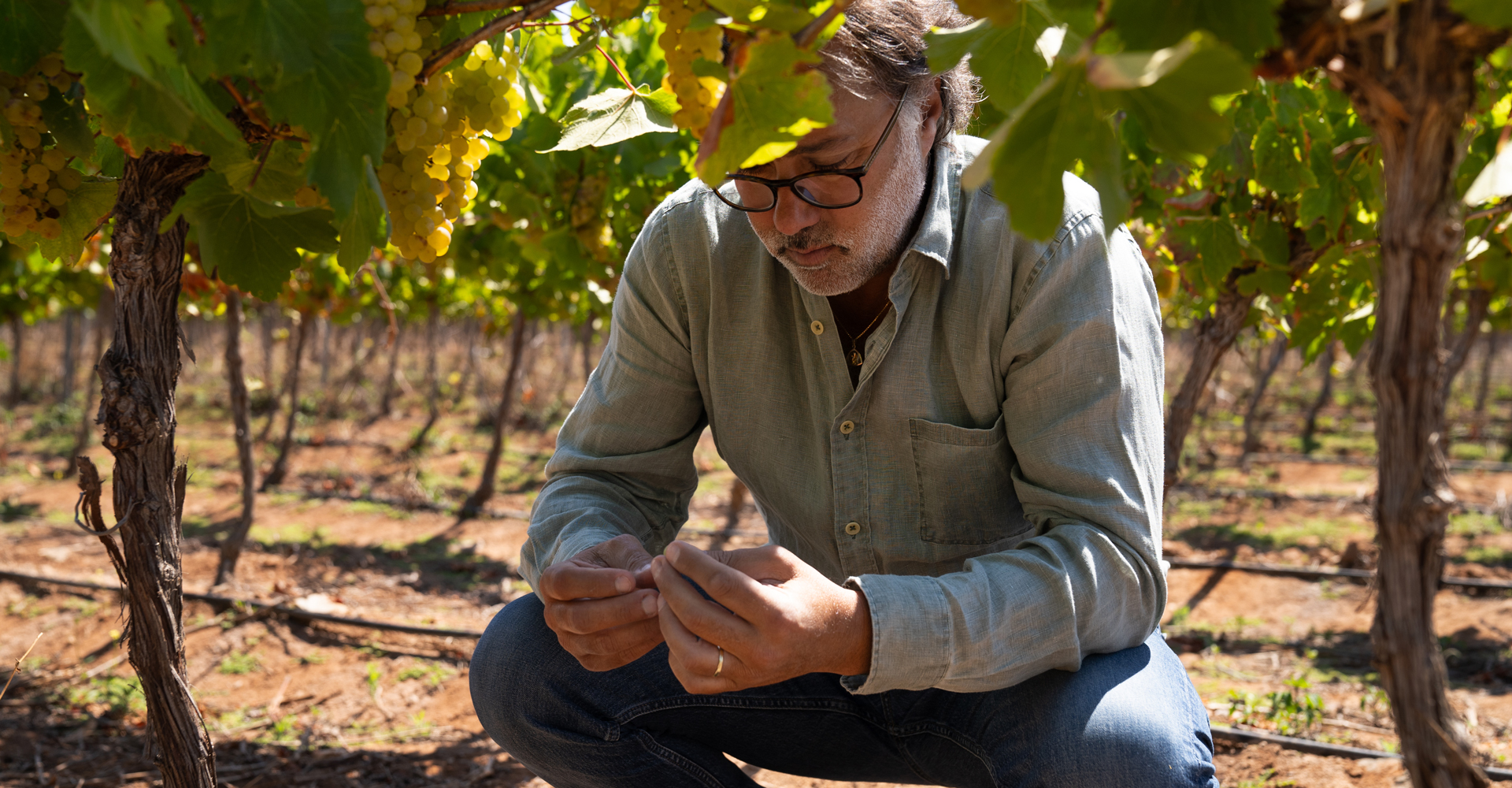
One hundred days from flowering to harvest mark the natural cycle in which Chardonnay and Pinot Noir reach their maximum expression in this extreme vineyard in northern Chile. This period, now established as a key benchmark for this specific place, gives the winemaking team valuable confidence when defining wine style and precision. Throughout this time, Marcelo Papa and his team closely monitor every detail to ensure exceptional fruit quality.
“The one hundred days between flowering and harvest allow the grapes to reach their fullest expression. With this, we seek a Chardonnay and a Pinot Noir with vibrant freshness, natural elegance, and great minerality— a true reflection of an exceptional terroir,” comments Marcelo Papa.
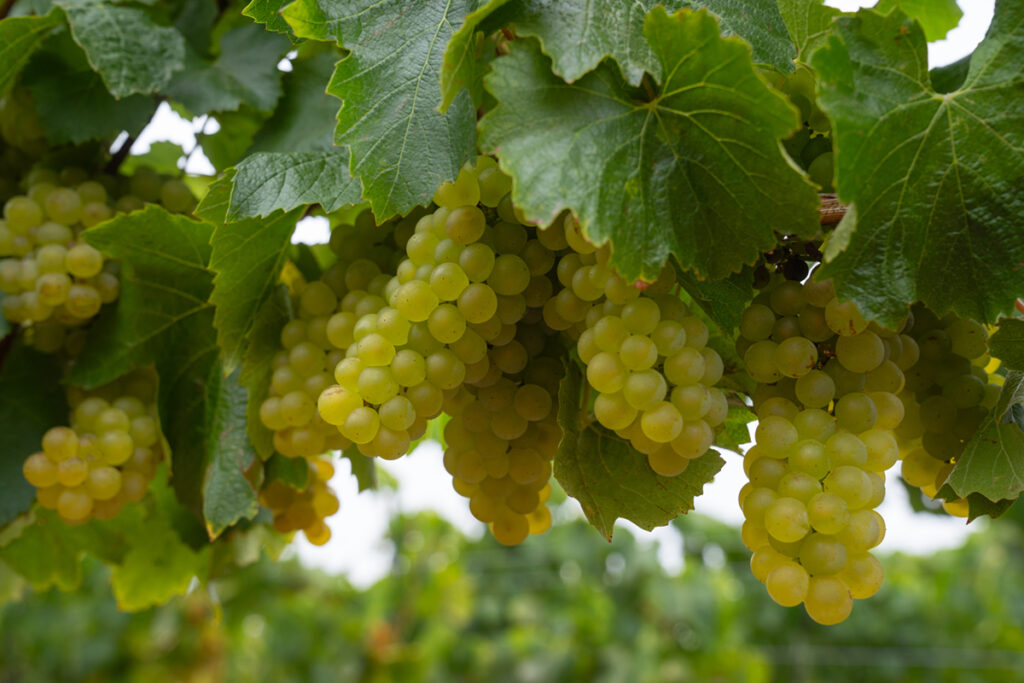
Precision and freshness in the 2026 vintage
At Quebrada Seca, well-prepared soils after winter and a balanced summer have allowed the fruit to advance in ripeness smoothly, preserving freshness, finesse, and character. The slow and controlled evolution during January has been key to maintaining the distinctive style of this vineyard, positioning it very favorably for the 2026 harvest.
“Field evaluations show fruit with soft profiles, good expression, and low to moderate phenolic load, reflecting balanced ripeness. The vineyards also show appropriate vigor and excellent sanitary condition, reinforcing the positive outlook for this harvest. Everything indicates it will be a solid and consistent season, comparable to the 2022, 2023, and 2025 vintages, and very different from more challenging years,” notes Marcelo Papa, Technical Director of Concha y Toro.
With the harvest well underway, the Limarí Valley— and Quebrada Seca in particular— is moving through a season distinguished by balance, vineyard health, and great quality potential. The dedication of the agricultural team, together with close coordination with the winemaking team, has been key to managing each stage of the harvest and picking the fruit at its optimal point. Thanks to this joint effort and favorable climatic conditions, the 2026 season looks very promising, reaffirming both the character of this extreme origin and the consistency of Limarí.