
27 de October de 2026
Rosé, Without the Myths: 4 Things You Might Not Know About This Wine

Autor: Concha y Toro
As the days get longer, patio afternoons return, and outdoor dining takes center stage, rosé is back in the spotlight. Although often associated with summer, rosé has long outgrown its seasonal reputation. Today, it has earned a place at the table year-round, thanks to its freshness and versatility. Still, a few myths persist. Is rosé always sweet? Is it made by blending red and white wine? Let’s clear up some of the most common misconceptions.
“Rosé is always sweet”

FALSE. Its pink hue and aromas of strawberries and red fruit often lead people to assume rosé is sweet. In reality, most rosé wines made today are dry, with refreshing acidity and a clean finish. The ripe, juicy fruit notes you smell in the glass don’t necessarily mean there’s residual sugar in the wine.
“Chile produces outstanding rosé, too”
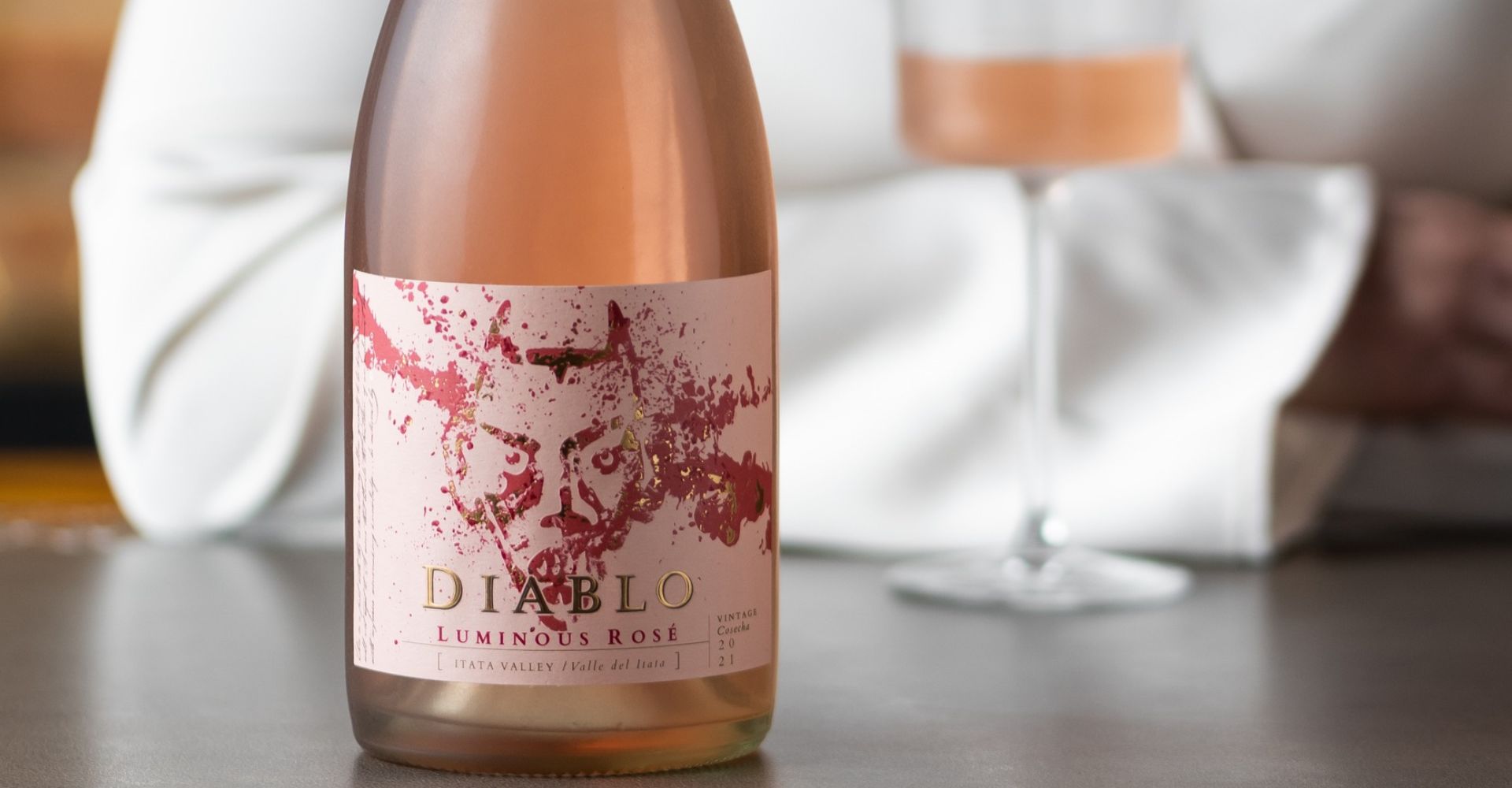
TRUE. For years, Provence in the south of France set the standard for rosé. Today, however, Chile is producing distinctive rosés with a character all their own. A great example is Marques de Casa Concha Cinsault Rosé made from Cinsault grapes grown on vines more than 60 years old in Chile’s Itata Valley, just a few miles from the ocean. With its pale apricot-pink color, fresh character, mineral notes, and creamy texture, it showcases the remarkable potential of Chilean wine regions for this style.
“Rosé is a blend of red and white wine”
FALSE. This is one of the most common myths, and it’s easy to see where it comes from: because of its color, many people assume rosé is made by mixing a light wine with a dark one. In fact, rosé is typically made from red grapes. The color comes from the grape skins, which the winemaker leaves in contact with the juice for a short period, ranging from a few hours to a day or two. This brief contact gives rosé its signature pink hue.
“Rosé is one of the most versatile wines to pair with food”
TRUE. Its freshness and acidity make it a natural match for a wide range of dishes. It pairs beautifully with cheeses and nuts, as well as ceviche, sushi, salads, seafood, pizza, charcuterie boards, and even flavorful cuisines like Thai and Indian. It’s the kind of wine that brings everyone at the table together.
Now that we’ve debunked a few of the most common rosé myths, there’s only one thing left to do: enjoy a glass. Serve it chilled, pair it with something delicious, and discover why rosé has so much more to offer than just a summer pour.