
28 de May de 2026
How Wine Is Made: The Winemaking Process Step by Step

Autor: Concha y Toro
Winemaking is a fascinating process that blends science, craftsmanship, and centuries-old tradition. From selecting the grapes to the final bottling, every stage plays a key role in producing a wine of true quality and distinct character. On our wine tourism tours you can explore this process up close and experience it firsthand, walking through historic vineyards and cellars. For now, here’s how each step of the winemaking process works.
1. Harvest and grape selection
The harvest and selection of the grapes mark the beginning of the wine making journey. This crucial moment typically takes place between February and April in the Southern Hemisphere, when the grapes have reached optimal ripeness and have developed the ideal balance between sugars, acidity, and aromatic compounds.
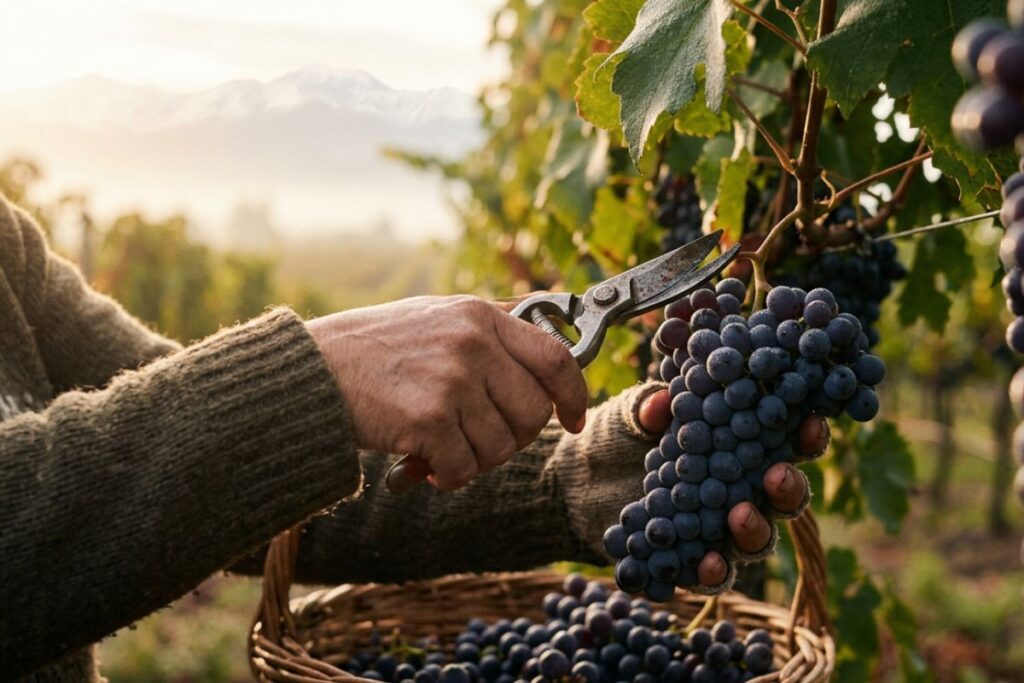
Winegrowers carefully select the grapes, assessing their quality, health, and ripeness. The fruit is then harvested either by hand or with specialized machinery, depending on the scale of the operation and the type of grape. Hand harvesting, although more expensive, allows for finer cluster-by-cluster selection, which is especially valued for premium wines.
Throughout this stage, the integrity of the fruit must be preserved. The freshly picked grapes are transported quickly to the winery, ideally in small crates and at a controlled temperature, to prevent premature oxidation before the next phase of vinification begins.
The quality of the grapes selected at this early stage will have a significant impact on the final wine, which is why careful harvesting and grape selection are so important in producing high-quality wines. As winemakers like to say: wine is made in the vineyard.
2. Destemming and crushing
Once the harvest and grape selection are complete, the winemaking process continues with destemming and crushing, two operations that prepare the fruit for fermentation.
The freshly harvested grapes are fed into a destemming machine, which separates the grapes from the clusters and removes the stems. This step is crucial, as the stems contain green tannins that can bring unwanted bitter and herbaceous flavors to the wine.
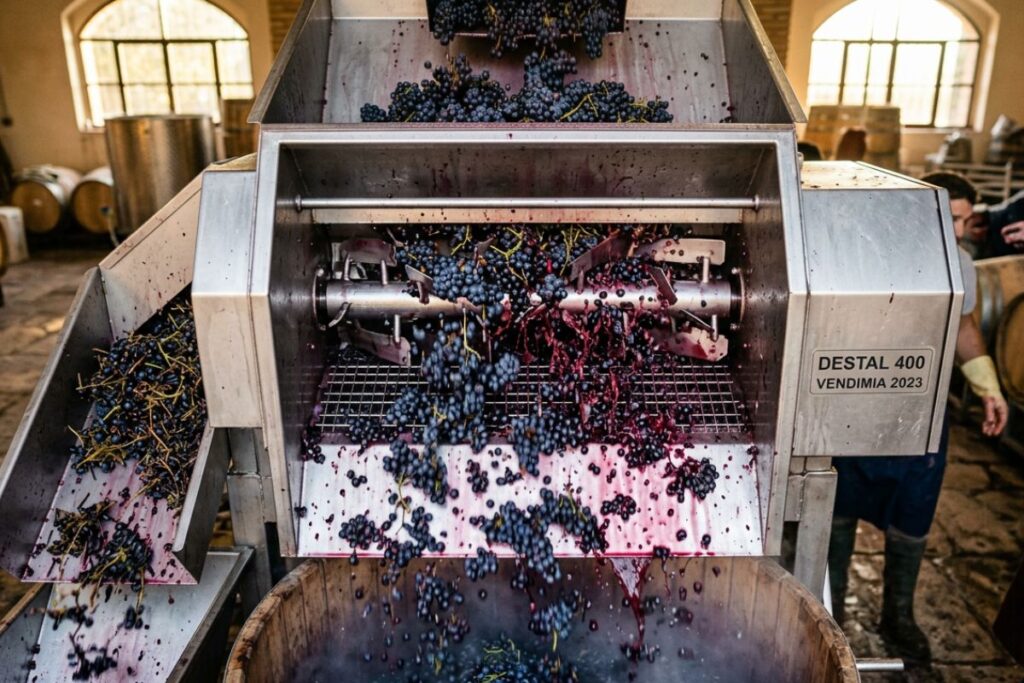
After destemming, the grapes go through crushing, where the berries are broken open to release the juice and ease the extraction of the must. Crushing can be done gently to preserve the integrity of the seeds, avoiding the release of bitter compounds and producing a high-quality must.
In some cases, especially for red wines, the crushed grapes are macerated along with their skins—traditionally even pressed with bare feet, as is still done in some artisanal wineries—which contributes to the final wine’s color, tannins, and flavor.
3. Fermentation
Fermentation is the heart of the winemaking process. In this stage, the must freshly extracted from the grapes is transformed into wine through the action of yeasts—a biochemical reaction that amazed the ancients and that today’s enology understands and controls with precision.
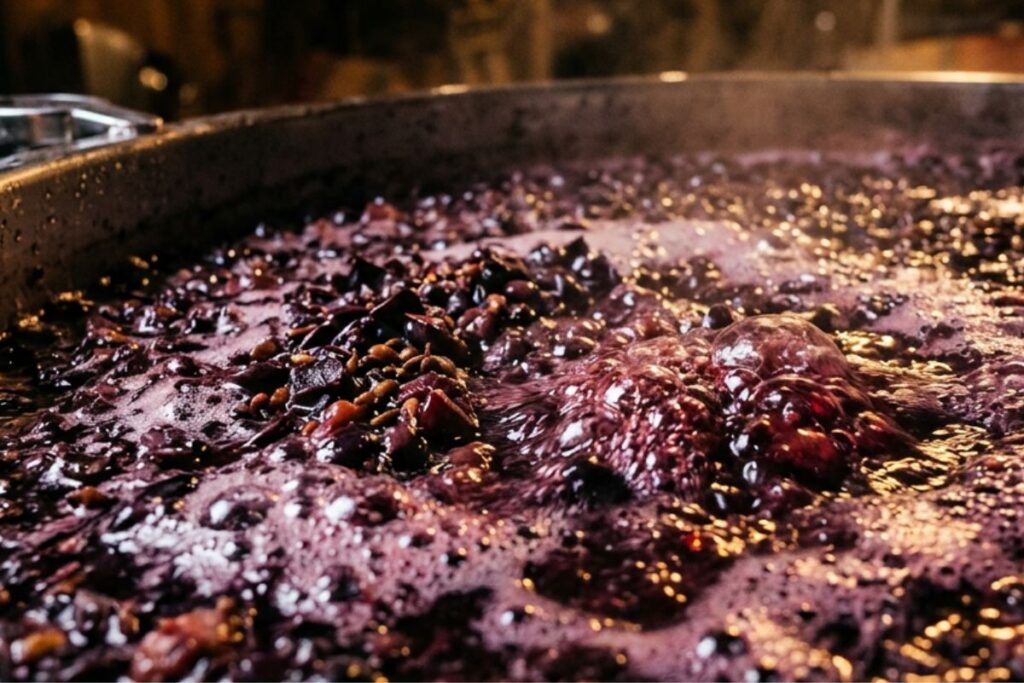
The process can happen naturally thanks to the ambient yeasts present on the grape skins, or it can be started by adding selected yeasts that bring specific aromatic profiles. During fermentation, yeasts convert the sugars in the must into alcohol and carbon dioxide, releasing heat as a byproduct.
The temperature and length of fermentation are carefully controlled by the winemaker to achieve the desired flavor profile. For white wines, fermentation may take place at lower temperatures—between 54 and 64 °F (12 to 18 °C)—to preserve fresh, fruity aromas, while for reds the goal is to extract more color and structure, so it’s often carried out between 77 and 86 °F (25 to 30 °C) with longer maceration times.
Once fermentation is complete and the sugar has been converted into alcohol, the young wine can either go through additional processes such as barrel aging or be bottled directly, depending on the style being sought. Fermentation is a critical step that significantly shapes the wine’s final character, defining its aromatic and structural personality.
4. Pressing
After fermentation comes pressing, the step where the fermented liquid—now considered wine—is separated from the solid parts of the grape: skins, seeds, and pulp, known collectively as pomace.
Pressing is done with a press, which can be of various types, from traditional vertical presses to modern pneumatic presses that apply pressure evenly and gently. The intensity of the pressing determines how much liquid is extracted and, therefore, influences the style and quality of the wine.
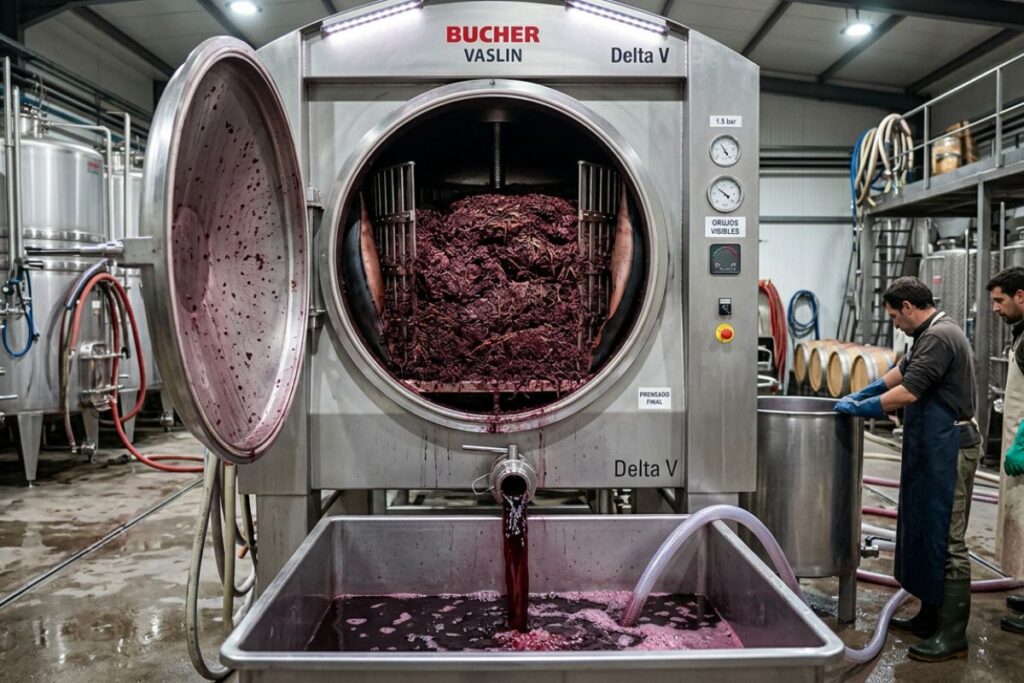
For white wines, gentle pressing is usually applied to avoid extracting tannins and bitter compounds from the skins, preserving freshness and elegance. For red wines, however, pressing can be more vigorous to extract more color, flavor, and structure. Winemakers often separate the “free-run wine”—the juice that flows out by gravity without pressure—from the “press wine,” as they have different profiles and are used in varying proportions in the final blend.
After pressing, the wine is transferred to tanks or barrels for further maturation and aging, where it will develop its complexity and character before being bottled.
5. Clarification and filtration
After pressing, the wine may still contain solid particles in suspension, such as sediments, pulp residues, and yeast deposits. To achieve a clear, stable, and bright final product, the wine goes through clarification and filtration.
Clarification involves removing these impurities using natural or artificial clarifying agents, such as bentonite (a volcanic clay), egg white, or casein, which are added to the wine and then decanted or filtered out along with the unwanted particles. These agents “trap” the micro-particles and pull them down to the bottom of the container by gravity.
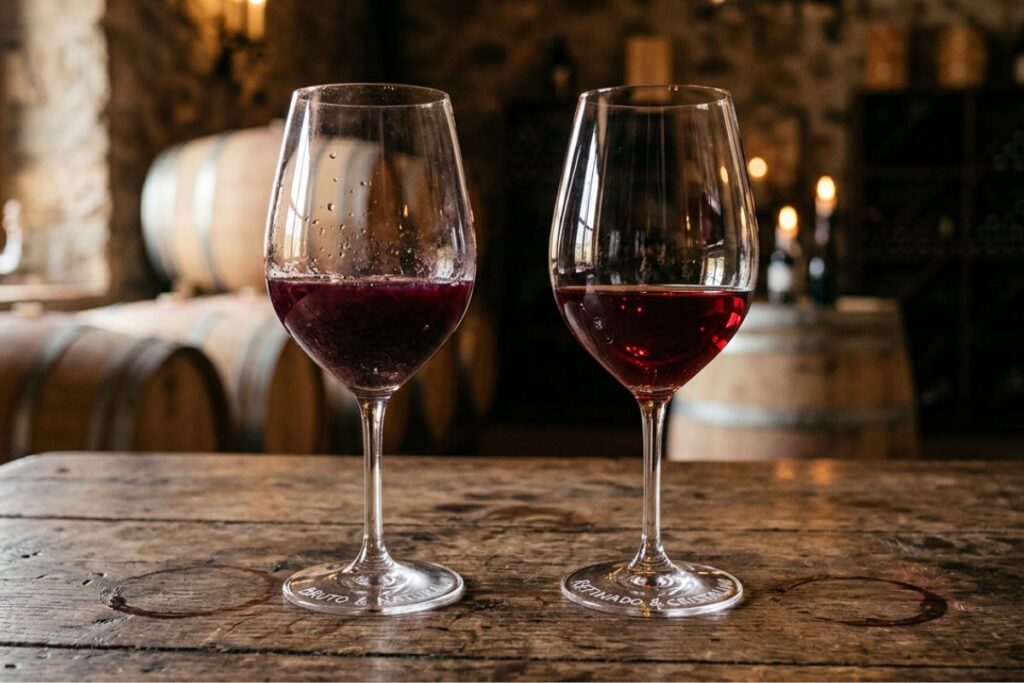
This process helps stabilize the wine and improve its visual appearance. The wine is then passed through fine filters to remove any remaining solid particles and obtain a completely transparent liquid. Filtration can also help eliminate unwanted microorganisms, contributing to the wine’s preservation and stability in the bottle.
It’s worth noting that while clarification and filtration are common practices in the wine industry, some producers prefer to skip these processes to preserve the wine’s integrity and authenticity, opting instead for more natural clarification methods such as decantation or extended barrel rest. These wines are often labeled as “unfiltered” and have grown in popularity among consumers looking for more natural expressions.
6. Aging
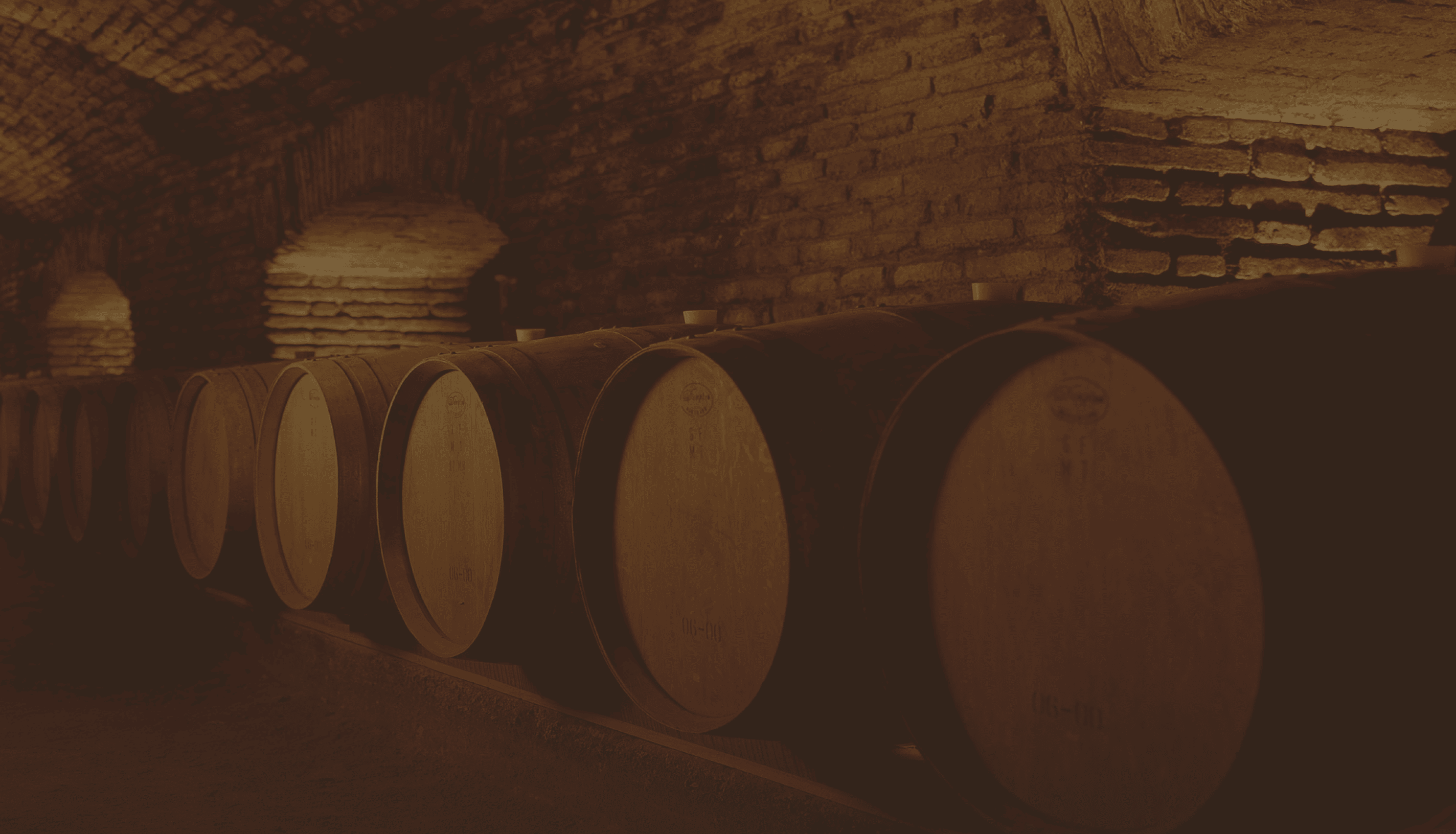
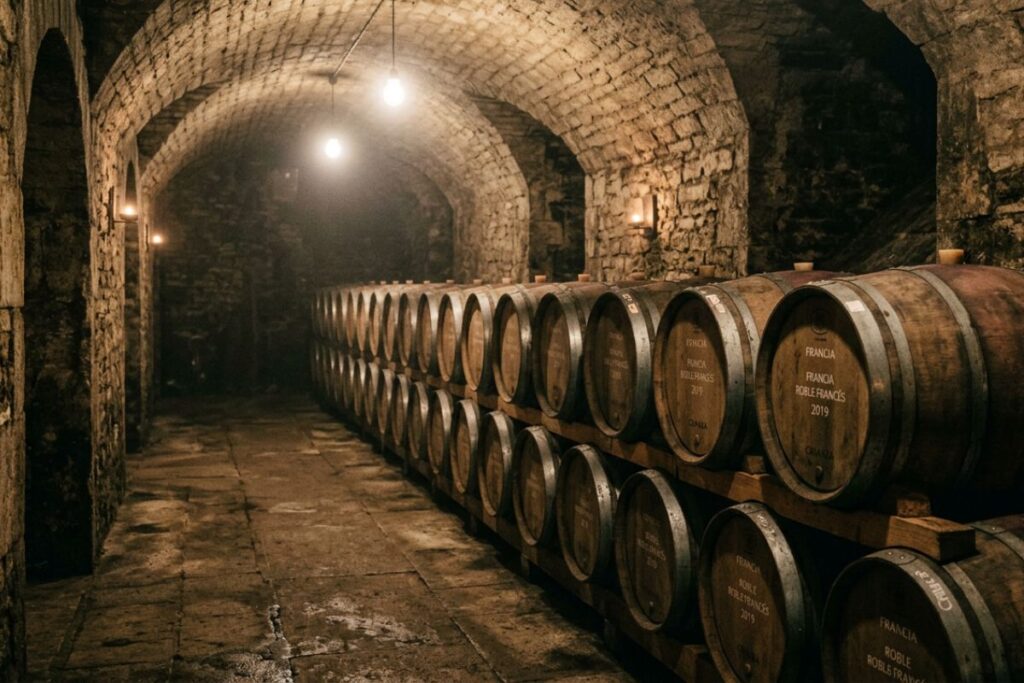
The aging stage is where the distinctive characteristics and aromatic and flavor complexities that set a great wine apart are developed. After clarification and filtration, some wines—especially reds and certain full-bodied whites like oaked Chardonnays—undergo a period of aging in oak barrels.
During this stage, the wine interacts with the oak wood, drawing out flavors such as vanilla, spices, and toast, along with tannins that shape its final profile and ability to age. The length of aging varies depending on the type of wine and the desired style, ranging from a few months to several years. Oak barrels can be new or used—French, American, or from other origins—each contributing different nuances to the wine.
Meanwhile, some young white wines and most rosés can be bottled and consumed without going through a period of barrel aging, preserving their freshness and primary fruit aromas.
Beyond barrel aging, some wines—such as fortified wines or great red wines built for cellaring—spend additional time in the bottle before being released to the market. During this process, the wine continues to develop and evolve under reductive conditions, gaining complexity, integration, and refinement over time.
7. Blending (optional)
In this stage, winemakers combine different lots of wine—either from different grape varieties or from specific vineyard plots—to achieve the perfect harmony of flavors, aromas, and structure. This is the moment when winemaking comes closest to being an art.
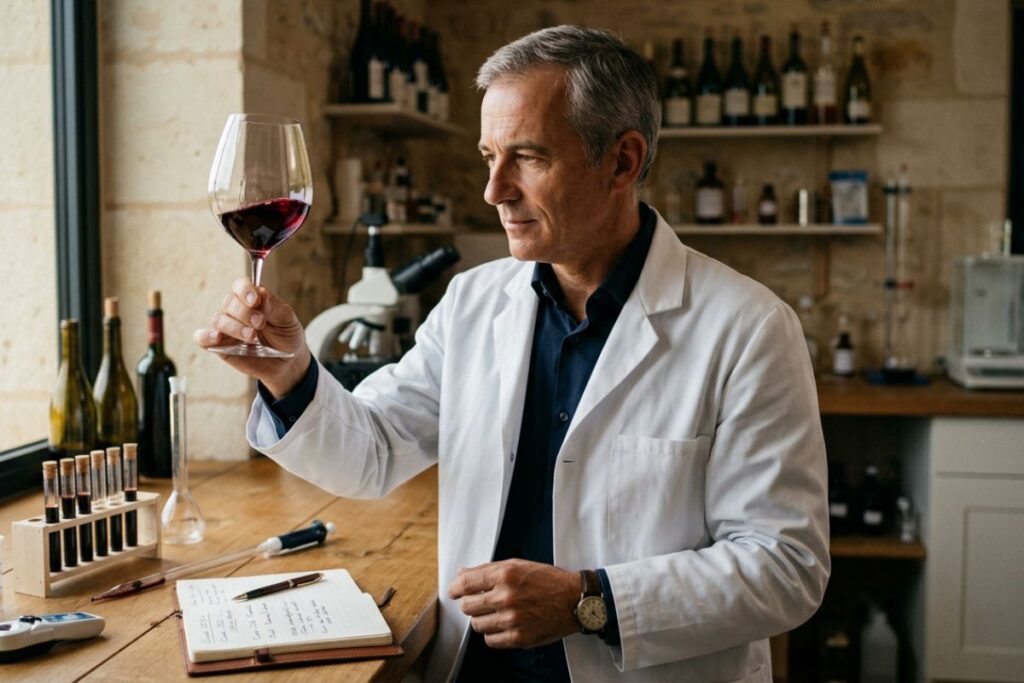
Blending, also known as assemblage or coupage, makes it possible to fine-tune characteristics such as acidity, body, aromatic intensity, and overall balance, creating a unique and cohesive expression. Iconic wines like classic Bordeaux or the great Chilean assemblages owe their personality precisely to this process.
Winemakers draw on their experience and sensory skills to determine the optimal proportions of each component in the final blend, aiming to highlight the best qualities of each wine. This stage requires great precision and care, as small variations in the composition can have a significant impact on the wine’s organoleptic profile.
Once the desired blend is achieved, the wine may rest for an additional period to allow the different components to integrate and develop further, merging their identities into a single expression.
8. Bottling
Bottling marks the culmination of the winemaking process, capturing all the essence and work invested in every bottle. It’s the moment when the wine, after months or years of care, is ready to travel to your glass.
Once the wine has gone through all the previous stages and reached its desired profile, it’s transferred into clean, sterilized glass bottles. This is done with great care to avoid contamination and ensure the integrity of the drink, generally on automated bottling lines that minimize contact with oxygen. The bottles are filled, leaving a small headspace in the neck to allow the liquid to expand during storage.
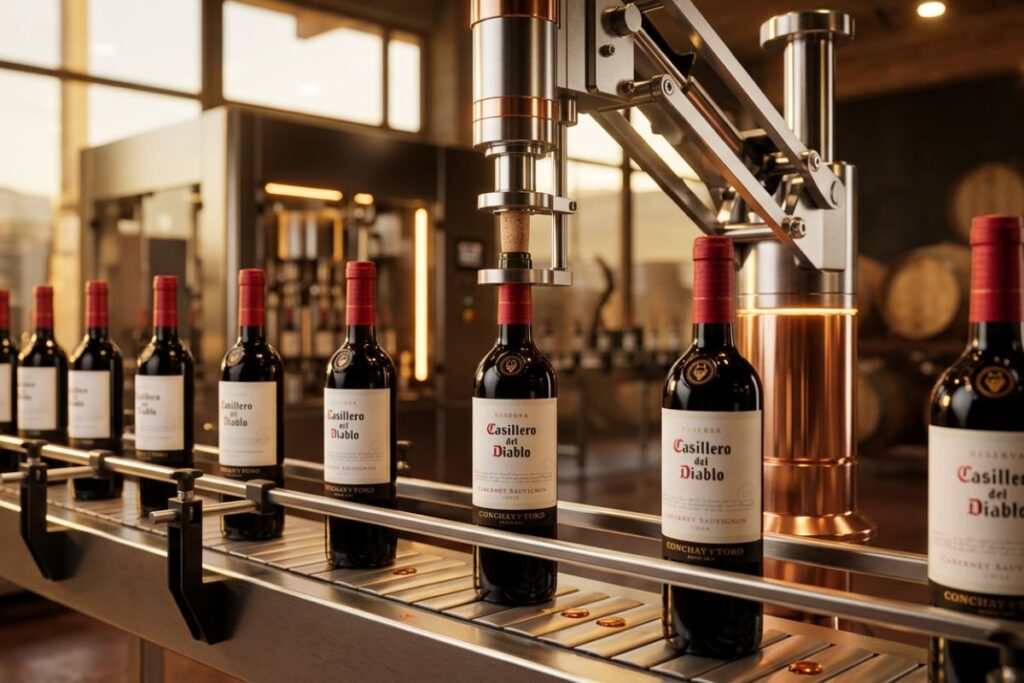
Corks or appropriate closures are then inserted and sealed tightly to prevent oxidation and keep the wine fresh. Some producers also choose to use screw caps or other types of closures, depending on the style of wine and market preferences. Contrary to popular belief, the screw cap can be an excellent choice for fresh wines that don’t need extended aging.
Once bottled, the wine may go through an additional period of rest in the bottle, during which its organoleptic characteristics continue to develop. Finally, labels are applied to the bottles, providing crucial information about the wine, such as the grape variety, vintage, producer, designation of origin, and tasting notes.
Summary table: the 8 stages of winemaking
| Stage | Main objective | Approximate duration |
|---|---|---|
| 1. Harvest | Pick grapes at peak ripeness | 1-4 weeks |
| 2. Destemming and crushing | Separate grapes and release the must | Hours |
| 3. Fermentation | Convert sugar into alcohol | 1-4 weeks |
| 4. Pressing | Separate the wine from the solids | Hours |
| 5. Clarification and filtration | Clean and stabilize the wine | Days to weeks |
| 6. Aging | Develop complexity | Months to years |
| 7. Blending (optional) | Achieve the desired profile | Variable |
| 8. Bottling | Preserve and present the wine | Days |
Frequently asked questions about how wine is made
How long does it take to make a bottle of wine?
It depends on the style. A young white wine can be ready in 4 to 6 months from harvest, while a great red wine built for aging can take between 2 and 5 years before reaching the market, factoring in barrel aging and bottle rest.
Why are red and white wines made differently?
The main difference lies in contact with the skins. Red wine ferments together with the grape skins to extract color and tannins, while white wine is pressed before fermentation to obtain a juice without pigments. That’s actually why white wines can even be made from red grapes.
Do all wines go through oak barrels?
No. Barrel aging is typical of structured red wines and some full-bodied whites, but many wines—especially young whites, rosés, and fresh reds—are bottled without going through oak in order to preserve their fruitiness and liveliness.
Now that you know how wine is made, we invite you to learn more about wine tourism and take one of Casa Concha’s tours. Winemaking is a true art that broadly involves the steps above, but like any art, each winemaker can adjust the formula to bring more personality to the wine and add even more charm. The next time you uncork a bottle, you’ll remember the whole journey that went into it.