
28 de May de 2026
What Is Wine Tourism? The Definitive Guide to Discovering the World of Wine

Autor: Concha y Toro
An experience that awakens the senses, connects you to the land, and turns every glass into a lasting memory.
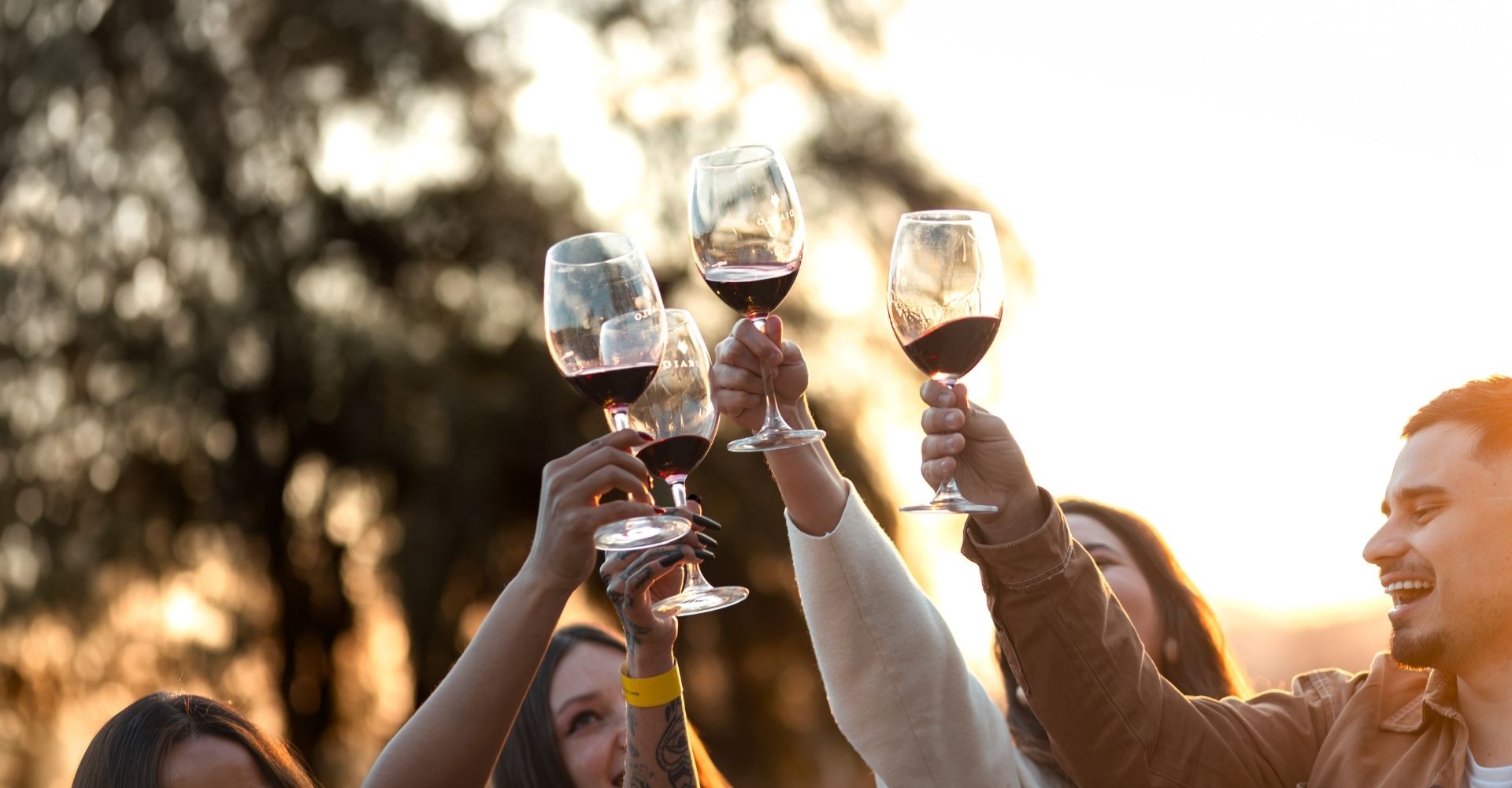
Some trips are remembered for their landscapes, others for the food, and a fortunate few for a glass of wine shared among the vines at sunset. That is the territory of wine tourism: a kind of travel where wine becomes the doorway to a culture, a geography, and a way of looking at life.
In recent years it has become one of the most captivating travel experiences in the world. It isn’t just about visiting wineries or learning to tell a Cabernet from a Carmenere — it’s about discovering that behind every label there’s a story, a craft, and a place that makes it possible. In this guide we’ll walk through what wine tourism actually is, where it came from, the most memorable destinations on the planet, and why Chile has quietly become one of its brightest epicenters.
What is wine tourism (or enotourism)?

Wine tourism — also known as enotourism or wine travel — is travel that revolves around the world of wine: visiting wineries, walking through vineyards, tasting wines, meeting winemakers, and immersing yourself in the culture of a wine-producing region.
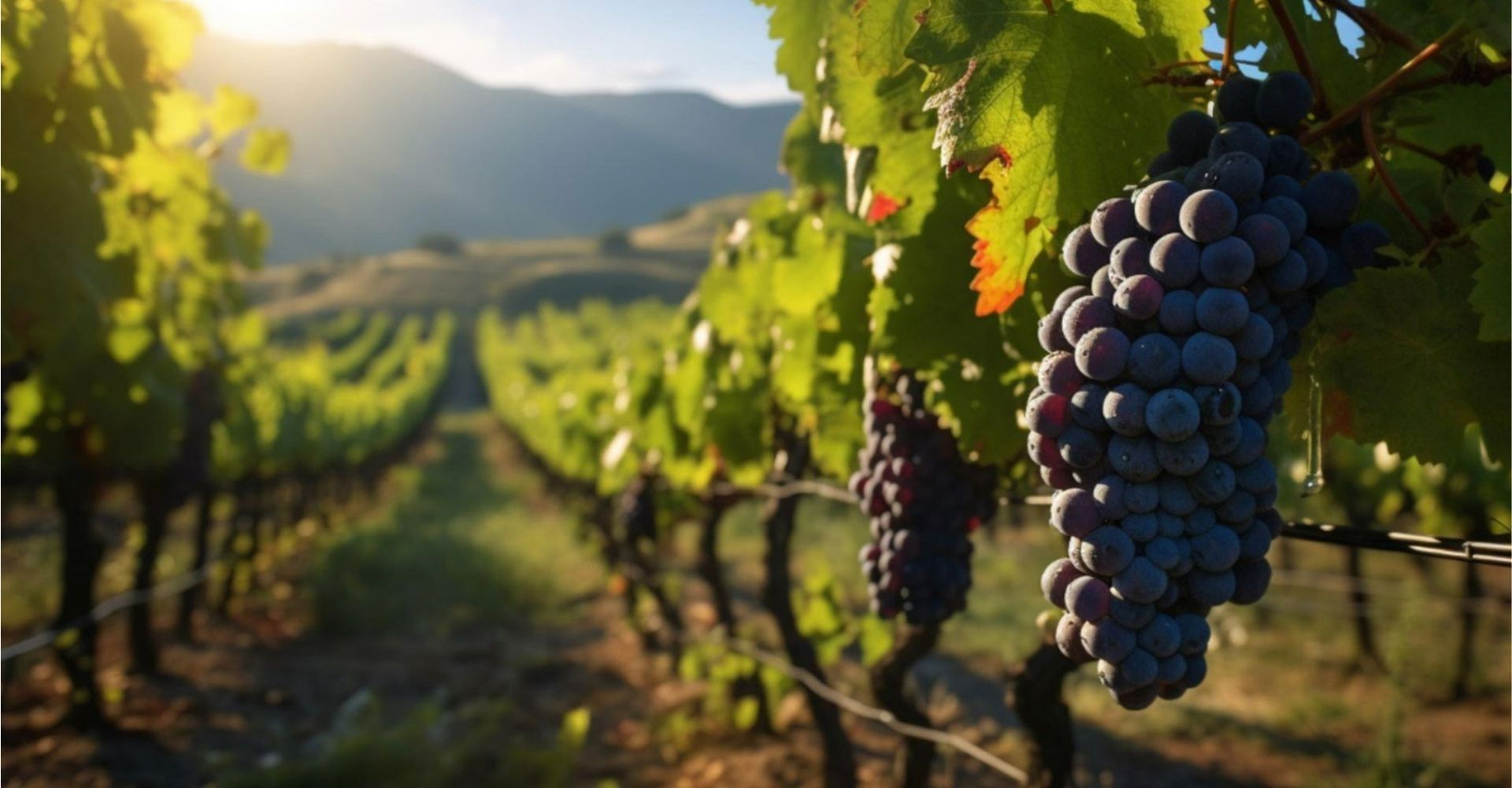
But reducing it to a checklist of activities sells it short. At its most authentic, wine tourism is a complete sensory and cultural experience: walking among the vines, breathing in the mountain air, tasting the local food, and understanding how climate, terrain, and human hands come together to create a wine that exists nowhere else.
A brief history of wine tourism: from the vineyard to the world stage
Although wine has been part of human life for more than 8,000 years, wine tourism as we know it is a fairly young phenomenon. Its modern roots trace back to mid-twentieth-century Europe — particularly Bordeaux, Burgundy, and La Rioja — when the great wine houses began opening their doors to curious travelers.
The real explosion came in the 1980s and ’90s, when Napa Valley reinvented the format and turned it into a polished, large-scale experience. The model spread quickly to the southern hemisphere: Argentina, South Africa, Australia, New Zealand, and Chile all realized their vineyards could become extraordinary places to welcome visitors. Today wine tourism moves billions of dollars a year, fueled by travelers chasing authenticity and meaningful experiences.
The world’s most iconic wine regions
Every wine region has a soul of its own. Here are some of the most fascinating destinations on the planet for wine lovers.
Napa Valley, California
The world’s most recognizable wine destination. Its rolling vineyards and polished wine culture draw millions of visitors each year, with design-forward wineries, wine trains, and Michelin-starred restaurants.
La Rioja, Spain
Synonymous with tradition and old-world pride: medieval villages, centuries-old bodegas, and striking modern architecture by names like Frank Gehry and Santiago Calatrava.
Barossa Valley, Australia
In South Australia, Barossa is home to some of the oldest vines on earth — many over 150 years old — and blends German heritage, country cooking, and boutique wineries into a warm, characterful experience.
Maipo Valley, Chile: the heart of South American wine
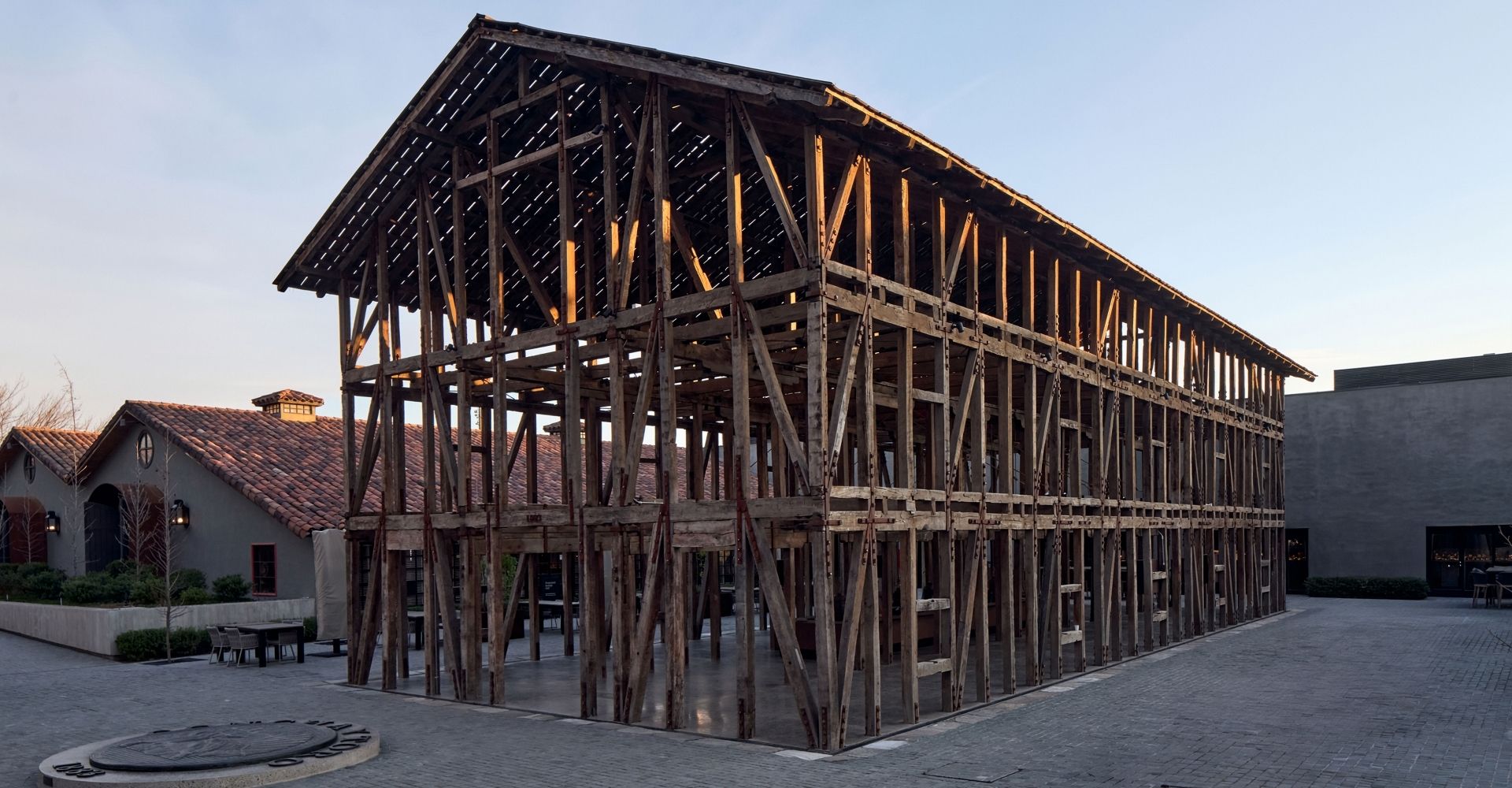
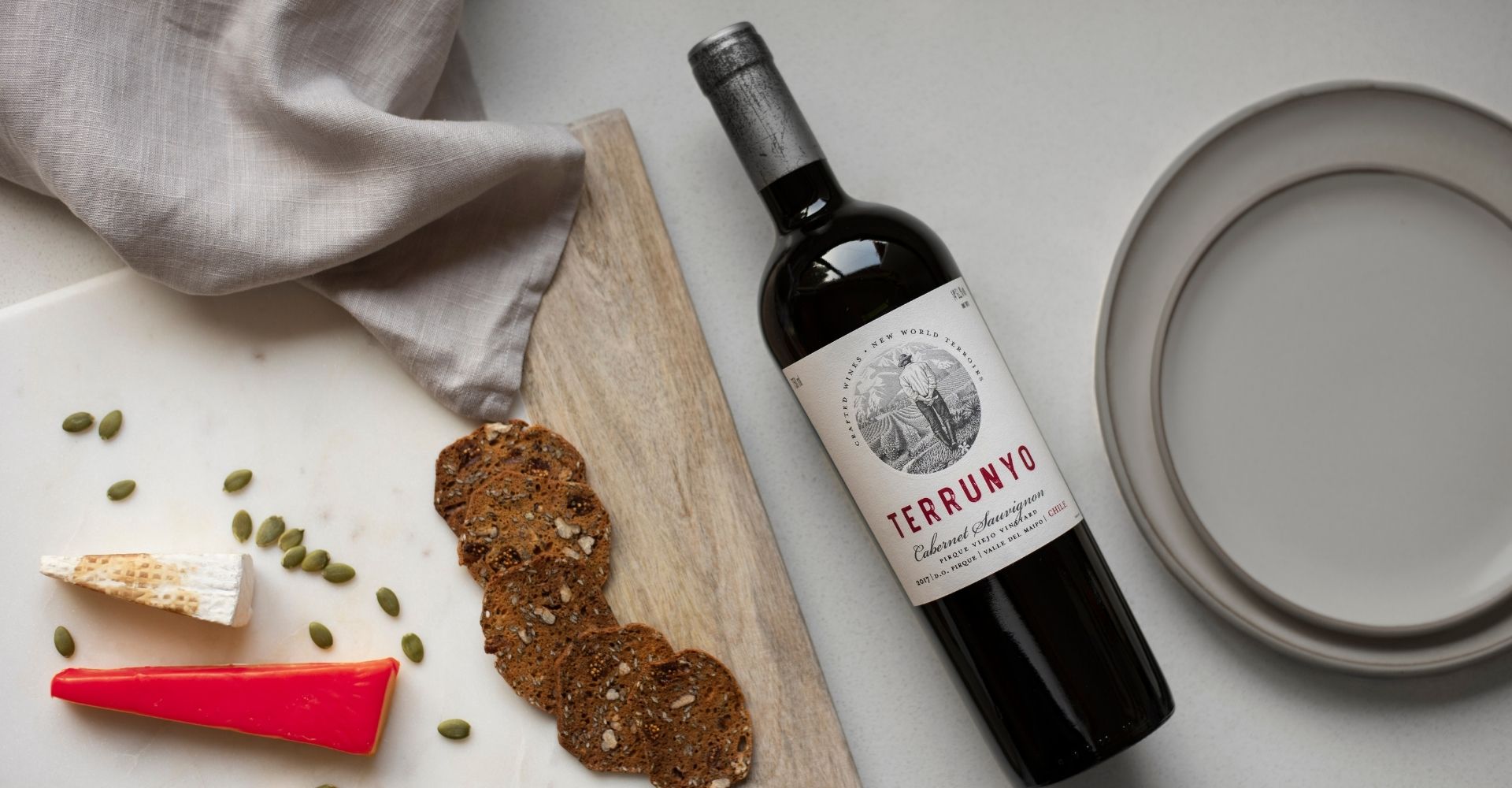
Less than an hour from Santiago, Maipo is one of South America’s most prestigious wine regions and the birthplace of Chilean Cabernet Sauvignon. There, with the Andes as a backdrop, you’ll find the Pirque vineyard of Viña Concha y Toro, home to the recently opened Centro del Vino: an immersive experience that brings together heritage, nature, signature cuisine, and world-class wines.
Chile: the new global epicenter of wine tourism
In just a few decades Chile has gone from respected producer to one of the most admired wine tourism destinations on the planet. Its geography is unique — a long, narrow strip of land between the Andes and the Pacific — yielding an extraordinary range of climates, soils, and microregions, alongside heavy investment in infrastructure, boutique hotels among the vines, and internationally recognized sustainability programs.
Chile’s main wine tourism regions
- Casablanca Valley: cool climate and outstanding white wines — Sauvignon Blanc and Chardonnay — an hour from Santiago.
- Maipo Valley: the cradle of Chilean Cabernet Sauvignon, with historic wineries at the foot of the Andes.
- Colchagua Valley: famous for its bold reds — Carmenere above all — and its huaso country culture.
- Maule Valley: Chile’s largest wine region, perfect for age-worthy wines and old-school styles.
- Limarí Valley: a northern gem, prized for fresh, elegant whites.
- Cachapoal Valley: home to powerful reds and wineries that blend heritage with modernity.
Wine and food: when the cellar meets the kitchen
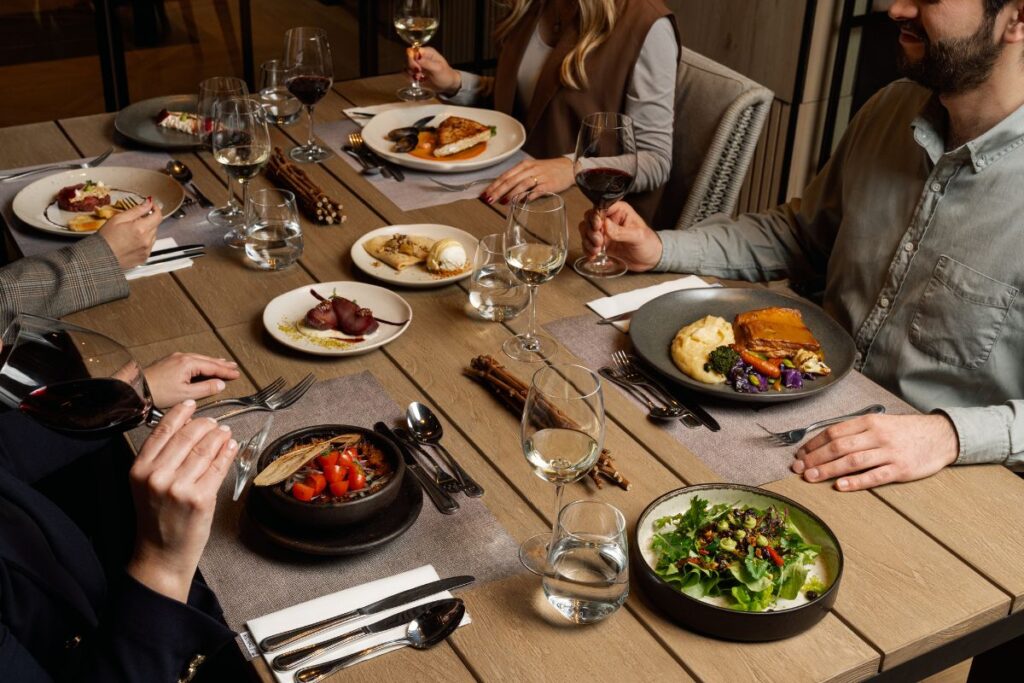
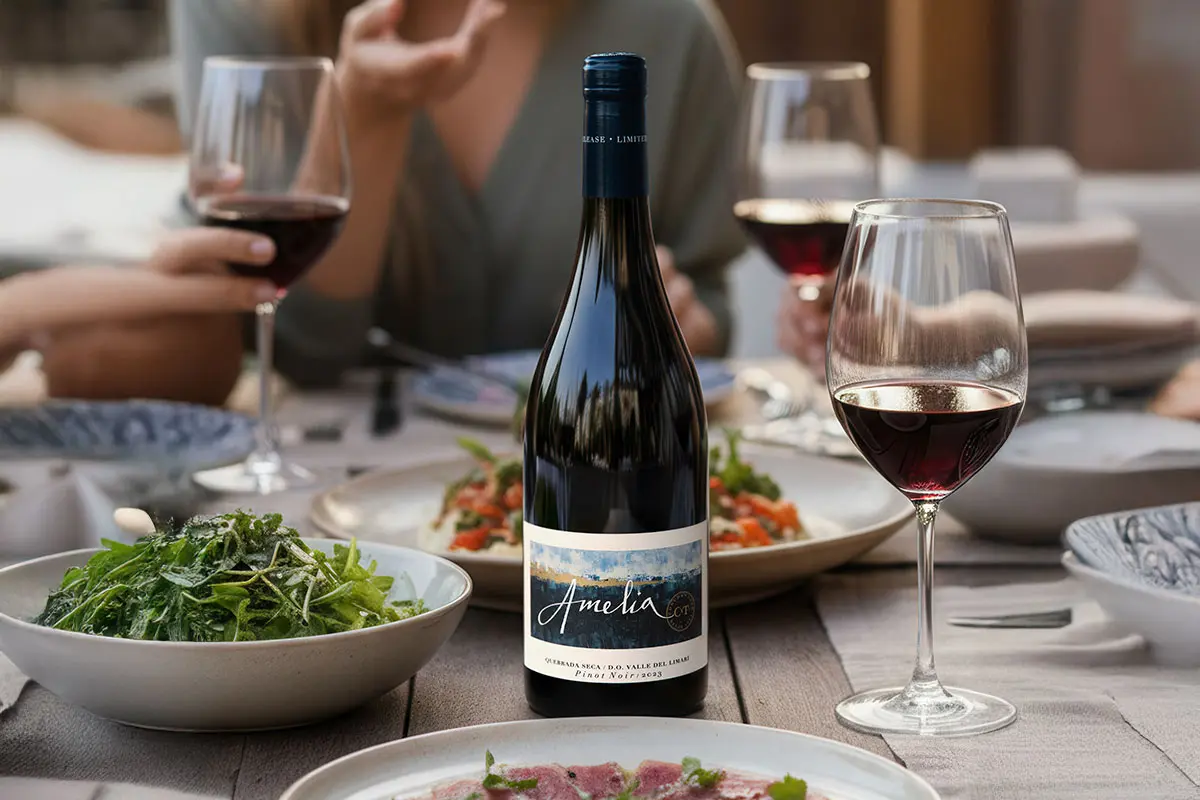
One of the great pleasures of wine tourism is experiencing pairings in their original setting: a Casablanca Sauvignon Blanc with Pacific oysters, a Maipo Carmenere with slow-braised beef, or a Limarí Pinot Noir under a century-old vine — none of which can really be replicated outside the valleys themselves.
More and more Chilean wineries are turning a visit into a full-day affair. The Centro del Vino Concha y Toro in Pirque combines signature cuisine, guided tastings, and immersive tours of the winery’s history all in one place — a project that has earned nominations at the leading global tourism awards. Beyond the restaurant, many wineries also offer vineyard picnics, sunrise breakfasts during harvest, cooking classes, and themed pairings.
Sustainability: the rise of responsible wine tourism
The conversation around wine no longer happens just in the glass — it extends to the soil, the water, the ecosystems, and the communities. Sustainability has become a defining pillar of wine tourism, and many Chilean wineries have made serious commitments to organic and biodynamic farming, responsible water management, native forest preservation, and renewable energy.
Several wineries operate under international standards and are part of the Wines of Chile Sustainability Code, which recognizes producers committed to caring for the environment. For the conscious traveler, choosing certified wineries and respecting local ecosystems are small gestures that make the experience richer.
Planning your first wine tourism trip
Wine tourism is wonderfully flexible: there’s something for every style and budget, from private tours with the head winemaker to group visits and self-guided routes. The key is to plan with care.
When is the best time to visit Chile’s wine country?
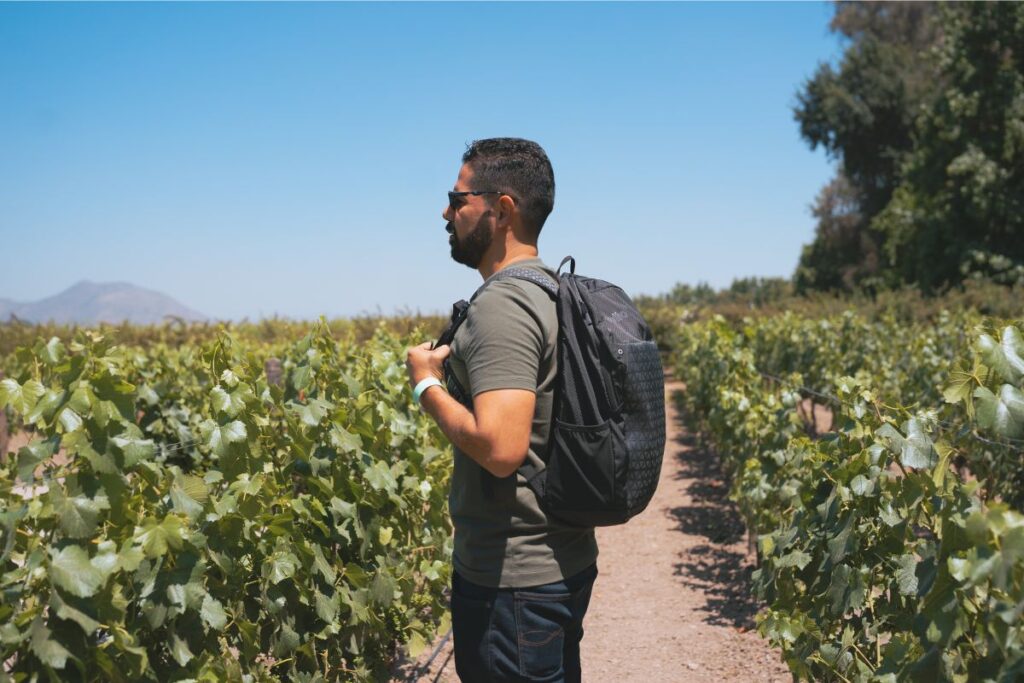
- Harvest (March–April): the most iconic moment, with public celebrations at many wineries.
- Autumn (March–May): golden, rust-colored vines and mild weather ideal for outdoor tastings.
- Spring (September–November): budding vines, bright days, and wildflowers along country roads.
- Summer (December–February): perfect for picnics and vineyard sunsets, with whites and rosés taking the spotlight.
- Winter (June–August): low season, great for quiet, intimate tours combined with the Andes nearby.
Practical tips and basic etiquette
- Dress comfortably but neatly: closed shoes, layers, and skip strong perfumes — they interfere with the aromas.
- Book ahead: in high season, spaces fill up fast.
- Eat something first: arriving on an empty stomach can ruin the experience.
- Designate a driver: or arrange private transport, organized tours, or stay nearby.
- Ask anything: guides and winemakers love sharing what they know. There are no silly questions at a tasting.
Frequently asked questions about wine tourism
Do I need to be a wine expert to enjoy wine tourism?
Not at all. Visits are designed for every level and include accessible explanations. What matters most is showing up curious.
How long does a typical winery visit last?
Between 1.5 and 3 hours, including a walk through the vineyards, the cellar, and a tasting. With lunch added, it can easily stretch into a half- or full-day experience.
How many wineries should I visit in one day?
No more than two or three — so you can enjoy each one without rushing. It’s the quality of the visits, not the number, that stays with you.
Can I do wine tourism without driving?
Yes, and it’s the better choice. Many wineries offer their own transport, organized tours, or private excursions with a driver.
Is it suitable for kids and families?
Increasingly so. Many wineries now design family-friendly experiences with educational activities, grape juice for the little ones, and tours for all ages. Check when you book.
One last glass: wine tourism as a way to slow down
In a world that never stops, wine tourism offers a different rhythm: it invites you to pause, to listen to the people who care for the land, and to taste each glass with attention. It’s a quiet act of resistance against speed — a reminder that some things only reveal themselves when you give them time.
Next time you open a bottle, think about where it came from. And if you can, go visit. Some experiences only really make sense with your feet on the ground where the grapes grew.